

If you or someone close to you got hurt because of someone else’s drinking, you may be looking into a dram shop case. That’s a good place to start, but there’s something just as important to understand before you move forward.
The law doesn’t cover everything.
A lot of people assume that if alcohol was involved, there’s automatically a case against whoever served it. That’s not how Texas law works. The rules are narrow, and if your situation falls outside of them, your case could fall apart.
That’s why it helps to have a clear picture early on.
Grossman Law Offices breaks this down so you can understand where the line is drawn and what that means for your situation.
What Texas Dram Shop Law Does Not Cover and Why It Matters

The Texas Dram Shop Act is very specific about when a business can be held responsible for serving alcohol. It gives bars and restaurants a lot of protection.
If those conditions aren’t there, the business can’t be pulled into the case. There’s not much wiggle room. And this holds true even when the outcome was serious or feels completely unfair.
A lot of cases hit a wall because they don’t line up with what the law actually requires.
People think the facts alone should be enough, but the law doesn’t work that way in Texas. So, you need to know about the limitations of this law.
It keeps you from wasting time chasing something that won’t hold up legally. More importantly, it lets your attorney zero in on what actually fits the law instead of building a case that falls apart under pressure.
Does Dram Shop Law Cover Serving Someone Who Does Not Look Drunk?
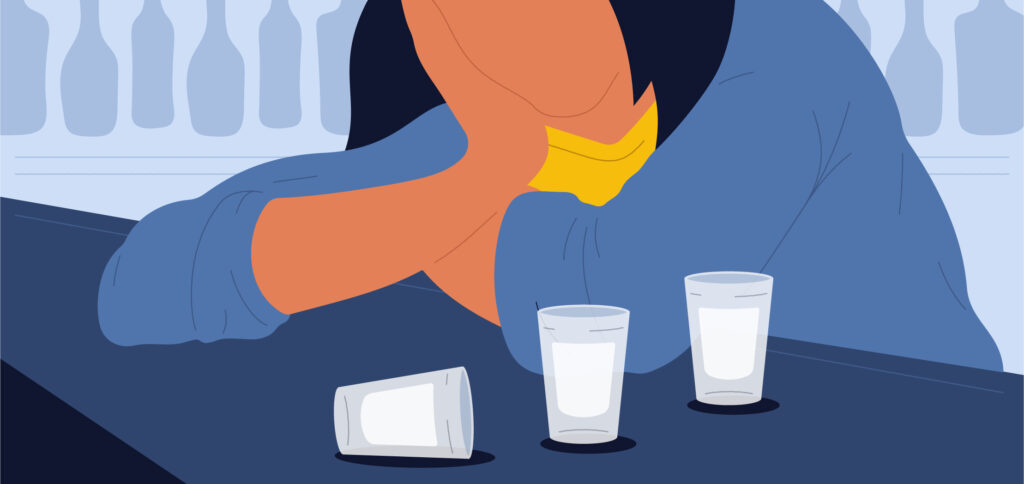
No, Texas dram shop law won’t cover people who don’t look drunk.
It focuses on whether the person was obviously intoxicated at the time they were served. That’s the key issue.
If someone orders a drink and appears steady, alert, and in control, the law generally won’t hold the business responsible for serving them. It doesn’t matter if they had been drinking earlier or if their blood alcohol level was already high.
What matters is what could be seen.
If obvious signs weren’t there, like slurred speech, trouble standing, or confusion, the law sees that situation in a completely different light.
This is where people get caught off guard.
A lawyer has to show two things: (1) that the signs were there, and (2) that they should have been obvious to anyone paying attention. Without that, the case doesn’t meet the legal standard.
For this reason, many cases never see the light of day.
Can a Regular Person Be Sued Under Texas Dram Shop Law?

Generally, no.
In most situations, everyday people (called social hosts) cannot be sued in a dram shop case.
Texas law doesn’t treat private individuals the same way it treats businesses that sell alcohol. A person hosting a party or having friends over isn’t usually going to be pulled into a dram shop case.
There’s one exception, though. And it’s a narrow one.
If an adult gives alcohol to a minor who isn’t their kid or dependent, that can turn into a real problem. And if that minor ends up hurting someone, the person who gave them the alcohol can be held responsible.
Outside of that, the law doesn’t extend to social hosts, even when everything started at someone’s house. The law is strict about where that line gets drawn.
So when a case involves a private setting, the focus often shifts away from the homeowner and toward other possible sources of alcohol.
That’s where a good attorney starts looking deeper.
Does Dram Shop Law Cover the Companies That Make or Deliver Alcohol?
No. It doesn’t work that way.
Texas dram shop law goes straight to the point of service, the place where someone actually made the call to keep pouring. That’s the moment the law cares about.
Manufacturers, distributors, and delivery companies aren’t in that position. They move the product, sure, but they’re not the ones watching the customer, reading the signs, and deciding whether to serve another drink.
The law focuses on that one decision point. It looks at the moment a server should have recognized the situation and stopped. If they keep pouring after that, that’s where things cross the line. That single choice drives the whole case.
Even if several companies handled the alcohol along the way, that doesn’t make all of them responsible. The law doesn’t follow the product from start to finish. It focuses on the one place where the decision to serve was actually made.
That’s why in a dram shop case, the real question is simple: who made the decision to keep serving when they shouldn’t have?
What Is the Safe Harbor Defense and How Does It Affect a Dram Shop Case?
This is one of the biggest obstacles in a dram shop case.
The safe harbor defense is a legal shield that lets a business avoid responsibility if it can show a few things. They have to prove their employees went through proper alcohol safety training, actually completed it, and that management didn’t push anyone to break the rules.
On paper, that sounds like a solid defense.
That’s exactly why so many lawyers won’t touch dram shop cases.
If a bar can check those boxes, it can shut a case down fast. And a lot of firms won’t show up for that fight.
But the safe harbor defense isn’t a guaranteed win. It’s not invincible.
A strong attorney won’t just accept what the business claims. They’ll dig into how things actually worked behind the scenes. Was the training taken seriously, or just rushed through? Were employees expected to keep serving no matter what? Did management really follow the rules when it mattered?
That’s where this defense starts to fall apart.
With the right legal team, safe harbor isn’t the end of the case. It’s just something that has to be challenged the right way.
Can a Minor Injured in a Dram Shop Incident Still File a Case Later in Texas?
Yes, a minor can file a dram shop case later on, sometimes years and years after the incident. This is because the timing rules work differently for them than they do for adults.
In most personal injury cases, there’s a two-year deadline to file. That’s the standard across Texas, and it usually starts running from the date of the incident.
But when a minor is involved, that timeline doesn’t kick in right away.
Instead, the clock is put on hold until they turn eighteen. Once they reach that age, the two-year window officially starts.
That gives minors extra time, which sounds helpful at first.
Even so, waiting always comes with risks.
Evidence doesn’t just sit there, waiting to be discovered.
People don’t stay in the same place forever. They switch jobs, move away, or lose touch, which can make them harder to track down when you need their side of the story.
Memories also don’t stay sharp. What felt clear right after the incident can start to blur, and small details get mixed up or forgotten over time.
Records that were easy to access in the beginning can become harder to find. Businesses change systems, paperwork gets misplaced, and what once took a simple request can turn into a long process or even a dead end.
Surveillance footage is even more fragile. Many systems automatically record over old video within days or weeks, so by the time someone takes action, that footage may already be gone for good.
Once evidence is gone, you don’t get it back.
That can hurt your case. It makes it harder to show exactly what happened and who should be held responsible.
A lawyer can step in right away and start locking down the evidence before it disappears. That early work gives the case a much stronger foundation as it moves forward.
Waiting does the opposite.
It leaves gaps, weakens your position, and makes it much harder to win your case.
Contact Grossman Law Offices About Your Texas Dram Shop Case Today
Texas dram shop law is complicated, and the protections built into it give businesses a real advantage.
That’s why you need a law firm that understands the law from every angle and knows where these cases fall apart.
If you have questions about what your case may or may not cover, contact Grossman Law Offices today for a free consultation.

 call us
  Email Us
  Text us