

If you’ve hired a lawyer to take on a Texas dram shop case, you may already be wondering how the bar or alcohol vendor will defend itself.
The truth is that businesses rarely accept responsibility without a fight. They have insurance carriers and legal teams whose job is to reduce or avoid paying claims.
For injured people and their families, that can feel intimidating. But understanding how these defenses work can make the process much easier to handle.
Here’s the good news: most of these arguments are well known. An experienced dram shop attorney has probably seen them many times in the past. Each defense has weaknesses, and an experienced law firm knows how to challenge them using evidence, witnesses, and expert analysis.
Here are five of the most common ways businesses defend themselves in a Texas dram shop case. We’ll also share how a good lawyer responds.
1. The “Our Customer Wasn’t Obviously Drunk” Defense

One of the most common defenses in any dram shop case is the claim that the customer did not seem drunk when the alcohol was served.
Under Texas law, a business can be held responsible if it serves alcohol to someone who is clearly intoxicated, and that leads to someone getting hurt. Because of that, many bars argue that their staff had no reason to believe the person was actually drunk.
In court, the business will argue that the customer seemed perfectly normal. They may claim the person was speaking clearly, walking fine, and not acting in a way that raised any red flags.
A lawyer handling the case will usually respond by looking at the actual evidence. Security footage from the bar may show how the customer was behaving. Drink receipts can show how much alcohol was served and how quickly it was ordered.
People who were there that night may also remember signs of intoxication, like slurred speech, stumbling, or someone acting unusually loud or aggressive.
In some cases, attorneys might bring in toxicology experts. These experts review the drinking timeline along with the person’s body weight and alcohol tolerance. From there, they can estimate the person’s blood alcohol level and explain whether the signs of intoxication should have been easy to spot.
When all of that evidence is put together, it can make it much harder for the bar to claim the customer seemed sober.
2. The Safe Harbor Defense: Blaming a “Rogue” Employee
Another common strategy in Texas dram shop cases is called the Safe Harbor defense. This is when a bar argues that it shouldn’t be responsible because an employee broke the rules on their own.
To use this defense, the business has to show that it required employees to complete state-approved alcohol service training and that management didn’t encourage anyone to break the law.
In simple terms, the bar is trying to say it did everything right and that one employee went off script.
Sometimes that argument can be strong, but many dram shop cases reveal bigger problems behind the scenes.
A lawyer handling the case will usually start digging into the bar’s records. That might include training documents, employee manuals, and internal policies. They may also look at how management supervised staff and whether workers were expected to keep serving drinks even when customers looked intoxicated.
If evidence shows that a manager allowed or encouraged unsafe alcohol service, the Safe Harbor defense becomes much weaker. A careful investigation by an experienced attorney can reveal whether the problem involved one worker or a larger failure within the business.
3. Pointing the Finger at the Drunk Driver
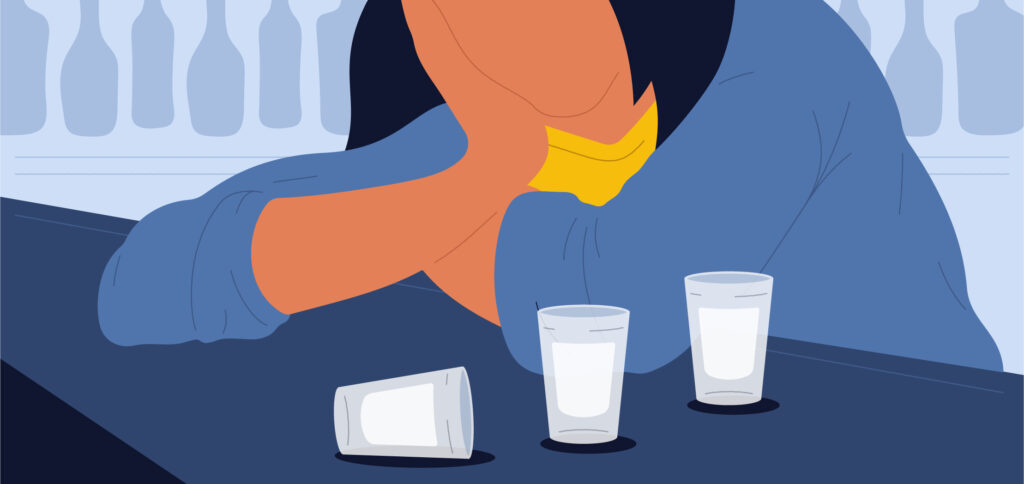
Bars will also shift the blame to the person who drank the alcohol.
Businesses often argue that the driver made their own choice to drink and then get behind the wheel. The idea here is that the driver is the one who decided to drive, so the bar shouldn’t have to pay.
Although the driver’s choices do matter, dram shop laws exist because bars and alcohol vendors also have responsibilities.
A dram shop lawyer redirects the jury’s focus back to what the business did wrong. Alcohol providers are required to follow the law, and that includes refusing service when someone is obviously drunk.
If the bar kept serving alcohol to someone who was clearly intoxicated, that’s what set everything in motion.
The argument isn’t that the driver did nothing wrong. The bar also had a responsibility, and ignoring that responsibility helped to create the situation that led to the injury.
4. Arguing Something Else Caused Your Injuries
Bars and restaurants may also try to argue that the alcohol they served had nothing to do with the crash.
The defense may claim the accident was caused by a road hazard, bad weather, or another driver’s mistake. In some cases, they argue the injured person themselves caused the crash.
The goal of these arguments is simple: break the connection between the alcohol service and the injury.
To shut this down, a lawyer usually builds a clear, evidence-backed timeline of what happened. Police reports, witness statements, and accident reconstruction data can help show how the crash actually unfolded.
Reconstruction experts often study vehicle damage, skid marks, and road conditions to understand exactly how the collision occurred. Medical records can also help explain how the injuries were caused.
When all of this evidence is put together, it helps show a clear chain of events leading back to the intoxicated driver and the alcohol that was served earlier.
Showing that connection is a key part of many dram shop cases.
5. Fighting Harder When a Minor Was Involved in a Dram Shop Case
Dram shop cases can become even more serious when alcohol is served to someone under eighteen.
Texas law places stricter responsibilities on businesses in these situations. For example, a bar cannot argue that a minor “didn’t look drunk” as a defense to avoid liability.
Even so, businesses can still push back in several ways. They might say that the minor got alcohol somewhere else or argue that alcohol wasn’t the true cause of the injury.
Because of these challenges, acting quickly after an incident is extremely important. Evidence like receipts, surveillance footage, and witness accounts can disappear over time.
In general, Texas law gives injured adults two years to file a lawsuit. For minors, the legal clock doesn’t start until they turn eighteen.
Even though these timelines may seem generous, waiting can be risky. Witnesses’ memories will fade, and important evidence can be lost.
That’s why many attorneys encourage families to speak with a lawyer as soon as possible after a serious alcohol-related incident.
Contact Grossman Law Offices About Your Texas Dram Shop Case Today
Most personal injury lawyers won’t touch dram shop cases because they think these defenses make them unwinnable.
At Grossman Law Offices, we’ve spent decades proving that’s not true. The attorneys at our law firm understand the strategies bars and businesses use, and we know how to beat those defenses with strong evidence.
If a bar’s illegal actions hurt you or someone you love, call us today. Just tell us what happened, and we’ll take it from there.

Reading Time: 5 minutesTake the first step toward justice and peace today.
Available for you 24/7

 call us
  Email Us
  Text us