

Were you or someone close to you hurt by a drunk person? If so, you’re probably asking the big question: Can the patron who was drinking actually be held responsible?
The short answer is yes. And knowing how that works can make a huge difference when it comes to building a strong case with the right lawyer on your side.
Read on to see when a patron can be held liable and how that may affect a dram shop case in Texas.
The Patron Who Was Drinking Can Be Liable in a Dram Shop Case
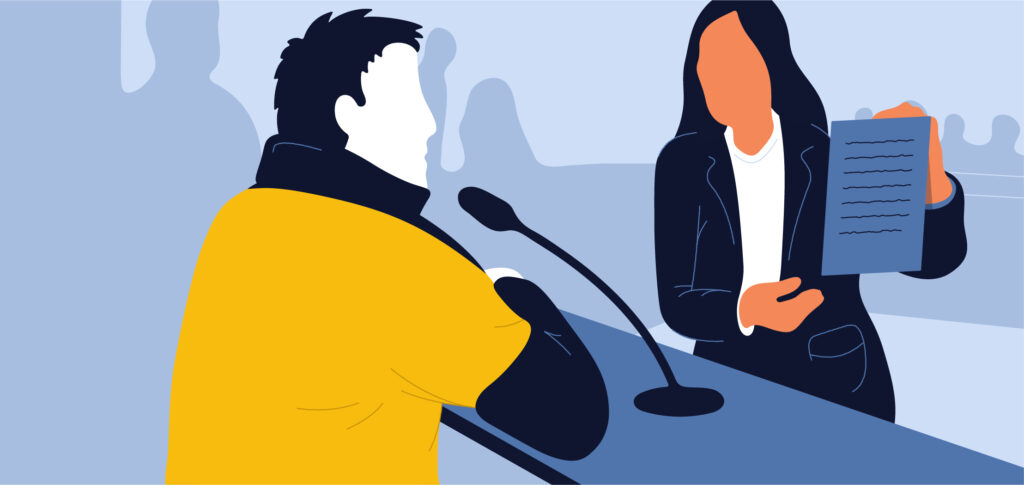
Let’s start with the basics. The person who got drunk and caused harm doesn’t just walk away from it. They chose to keep drinking, and their actions ended up hurting someone else.
In a dram shop case, that person is almost always on the hook. It doesn’t matter where it happened – a bar, a restaurant, or even a private event. If their behavior led to someone getting hurt, they can (and should) be held accountable.
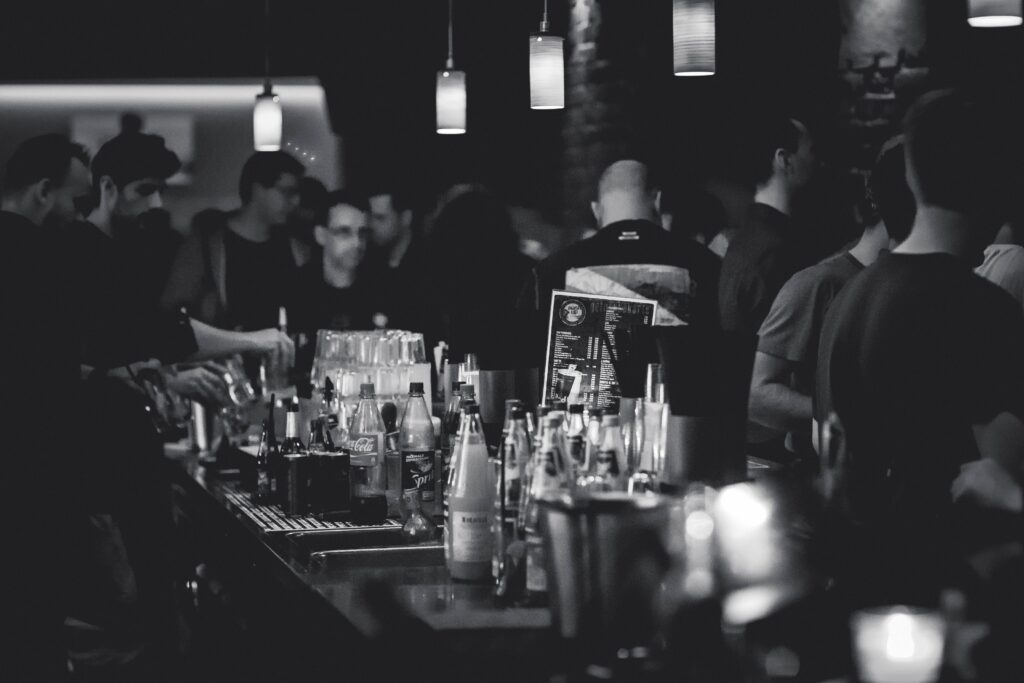
Now here’s where things get more serious. In Texas, the law doesn’t stop with the person who was drinking. A bar or restaurant can also be held liable under the Texas Dram Shop Act.
If a business keeps serving someone who is clearly drunk and that person ends up hurting someone, the business can be on the hook, too. It’s written into the law. It’s not up for debate.
Think about how this plays out in practice. A server notices that one of their customers has had too much. If the drinks keep coming anyway, the chances of something going wrong increase. When that person goes on to hurt someone else, the bar may have to answer for their actions.
That’s what makes dram shop law so important. It recognizes that over-serving alcohol isn’t harmless. It creates real danger and should be punished.
Why Is It Hard to Collect Money From a Patron in a Dram Shop Case?
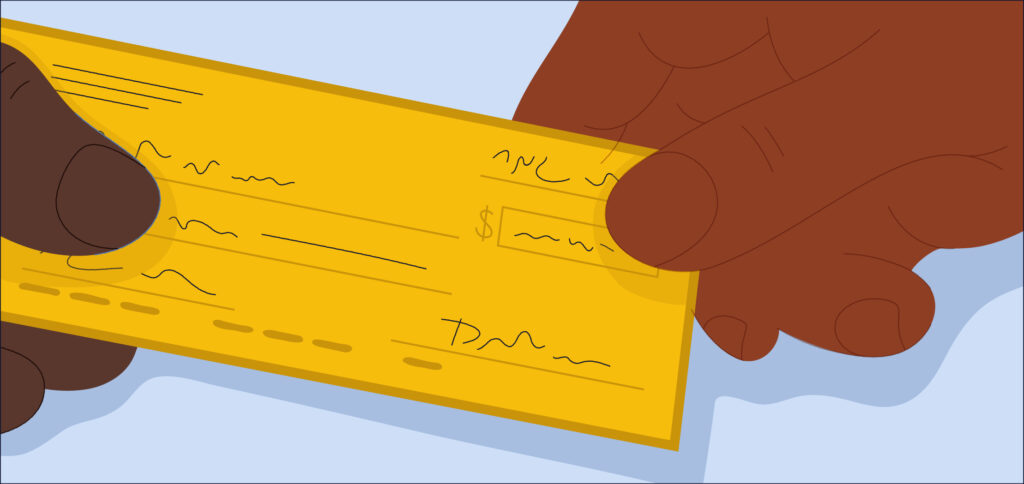
Here’s something a lot of people don’t expect. Even if the patron is liable, that doesn’t mean they can actually pay for what happened.
Most people don’t have insurance that covers serious injuries from drunk driving or anything like that. And if they do, the limits are usually pretty low. At the same time, the costs keep stacking up. Medical bills, lost income, and ongoing care; it all adds up fast. It’s often much more than one person can realistically pay.
So yes, the patron is responsible, but they usually don’t have enough money to cover serious injuries. That’s why a seasoned dram shop lawyer looks elsewhere to get you the compensation you deserve.
Bars and restaurants usually carry commercial insurance, and those policies are meant to cover risks tied to serving alcohol. In serious cases, that’s usually where the real recovery comes from.
That doesn’t mean the patron gets a pass. Their role still matters. But when it comes to actually recovering damages, the focus typically shifts to the business that contributed to the situation.
An attorney who understands this knows how to build a case that leads to meaningful compensation.
What Does a Lawyer Need to Prove in a Dram Shop Case Against a Bar?
Holding a bar responsible isn’t as simple as saying someone was drunk and got hurt. There’s a defined process behind it, and it takes solid proof to make the case stick. A lawyer can’t rely on assumptions or guesswork. They have to show exactly what happened and why the bar’s actions matter.
First, a lawyer has to prove that the patron was obviously intoxicated. Not just a little tipsy or having a good time. We’re talking about clear, noticeable signs. Slurred speech, trouble keeping their balance, acting loud or aggressive, or just not in control of themselves. The key here is that it had to be obvious to the people serving them, not something subtle or easy to miss.
Then there’s the next part. You have to show that the bar kept serving them anyway. This is where the case really starts to come together. It’s not enough to point out that the person was drunk. The lawyer has to demonstrate that the staff recognized the signs but still didn’t cut that customer off.
This is where evidence becomes critical. Security footage can show how the patron was acting and how long they were being served. Drink receipts can help track how much alcohol they had and how quickly they got it.
Witnesses, like other customers or staff, can fill in the gaps and describe what they saw. Those small details can make a big difference when you start putting the timeline together.
Expert testimony also plays a role. These professionals can explain how alcohol affects the body and what signs of intoxication should look like at different levels. Their input helps to show that the red flags were right there and easy to spot.
When everything comes together, it tells a simple story. The bar could have noticed what was happening. They could have stopped serving. They didn’t. And that decision is what led to someone getting hurt.
What Is the Safe Harbor Defense in a Dram Shop Case?
Bars don’t just lie down and take the blame. Much of the time, they lean on the safe harbor defense.
Under Texas law, a bar can sometimes avoid liability if it checks a few boxes. Their staff has to go through approved alcohol training, and the business can’t be pushing employees to ignore the rules.
The idea is that if everyone was trained and told to follow the law, the bar shouldn’t be blamed for what happened. On paper, it can sound like a pretty strong argument. But once you take a closer look at how things played out, this defense may not hold up.
Just because a bar says it trained its staff doesn’t mean those rules were actually followed during a busy night.
A dram shop lawyer will take a closer look at how things really work behind the scenes. Are employees pushed to keep serving to hit sales goals? Is there any supervision when the place gets crowded? Do managers ignore obvious signs that someone’s had too much?
The answers to these questions can change everything. They can weaken the safe harbor defense fast.
The overall goal is to show that the bar’s culture, supervision, and practices encouraged over-serving in the first place.
How Does the Statute of Limitations Affect a Dram Shop Case?
Timing plays a huge role in any dram shop case. In Texas, you generally have two years to file a lawsuit for personal injury.
That might sound like plenty of time, but it goes by faster than you think. Evidence doesn’t wait around. Security footage can be erased. Witnesses forget details. Physical proof can disappear.
And if the injured person is a minor, the timeline works a little differently. The clock typically starts when they turn 18. That gives them more time, but it’s still important to act early.
The sooner a lawyer gets involved, the better. They can preserve evidence, track down witnesses, and start building the case while the facts are still fresh.
Waiting too long can weaken even the strongest case. And once the statute of limitations runs out, there’s no going back. Your chance to recover compensation is gone.
An experienced attorney keeps a close eye on deadlines from start to finish.
Contact Grossman Law Offices About Your Dram Shop Case Today
If you’re dealing with the aftermath of a drunk driving injury, you’re probably getting pulled in a dozen directions at once. Medical bills. Insurance calls. Questions about what to do next.
Here’s the good news: you don’t have to figure it all out on your own.
Grossman Law Offices has handled dram shop cases across Texas for over 30 years. We know how to go after both the patron and the business. We know where the evidence is and how to collect it. And when bars try to dodge responsibility, we know how to shut that down fast.
If you have questions about whether a patron or bar can be held liable after a drunk driving injury, just ask. Our law firm is ready to help.
Contact us today to talk through your options with a team that knows how to take on both the drunk patron and the businesses that made the tragedy possible.

 call us
  Email Us
  Text us