

Milam County, TX — January 2, 2025, one person was injured in a two truck accident at approximately 11:00 p.m. along U.S. Highway 190.
According to authorities, a Freightliner 18-wheeler with a trailer in tow was at a stop in the westbound lane of U.S. 190 in the vicinity of the County Road 202 intersection when the accident took place.
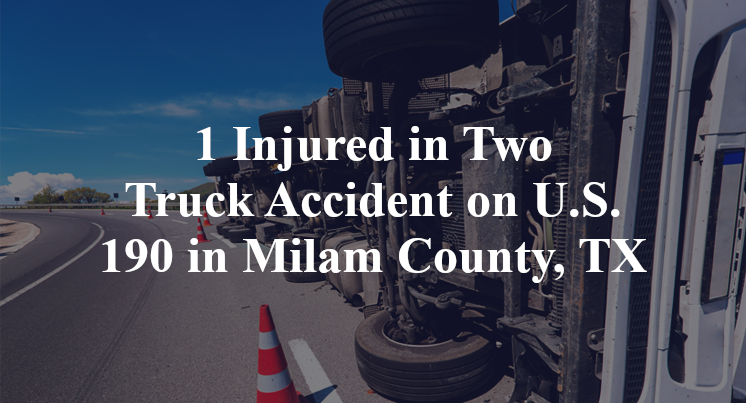
Officials indicate that, for as yet unknown reasons, the Freightliner’s trailer was rear-ended by another westbound Freightliner 18-wheeler hauling a trailer. The striking vehicle was apparently occupied by two people: a 42-year-old man and an 18-year-old man.
The 18-year-old reportedly suffered serious injuries as a result of the wreck. No other injuries have been reported. Additional details pertaining to this incident—including the identity of the victim—are not available at this point in time. The investigation is currently ongoing.
Commentary by Attorney Michael Grossman
In my experience, when one 18-wheeler rear-ends another that is stopped in an active traffic lane, it’s a signal that multiple safety breakdowns may be at play—not just in terms of driver conduct, but also in how those trucks were positioned, maintained, and supervised. On highways like U.S. 190, a stopped commercial truck in a live lane at night creates an extremely dangerous situation, and the law requires clear, visible warnings to prevent exactly this kind of crash.
The first issue that needs to be addressed is why the lead truck was stopped in the travel lane. Was there a mechanical failure? Was the driver lost or attempting a turn? Commercial drivers are trained to avoid stopping in active lanes unless there’s no other option, and if they do, they’re expected to activate hazard lights and deploy warning triangles to alert approaching traffic. If any of those steps were missed, it may have left the following driver with no realistic chance to react—especially at night.
At the same time, the trailing truck’s conduct also demands scrutiny. Was the driver maintaining a proper following distance? Were they alert and traveling at a safe speed for conditions? If there were two people in the cab—possibly a team driver situation—it’s worth asking whether fatigue or distraction played a role. Operating a heavy truck late at night requires heightened attention, and any lapse in focus can quickly become catastrophic.
If either or both trucks were operating under a commercial carrier, that carrier’s responsibility is also part of the equation. Were the vehicles properly maintained, particularly with regard to lighting and reflectivity? Were the drivers adequately trained and rested? And were they following protocols designed to keep both operators and the motoring public safe?
From where I sit, a rear-end collision between two 18-wheelers isn’t just about who hit whom. It’s about whether each party did everything the law and common sense require to prevent harm. Only a full investigation can determine where the breakdown occurred and ensure the right parties are held accountable—so those affected by the wreck receive the clarity and closure they deserve.
 call us
 Email Us
 Text us