

Kemp, TX — April 11, 2025, one person was injured in a multi-vehicle truck accident at about 4:55 p.m. on U.S. Route 175.
A preliminary accident report indicates that a 2006 Freightliner semi-truck was heading east when it jackknifed in slowing or stopping traffic near the south edge of Kemp. The truck collided with four other vehicles, including a 2020 Lincoln Aviator.
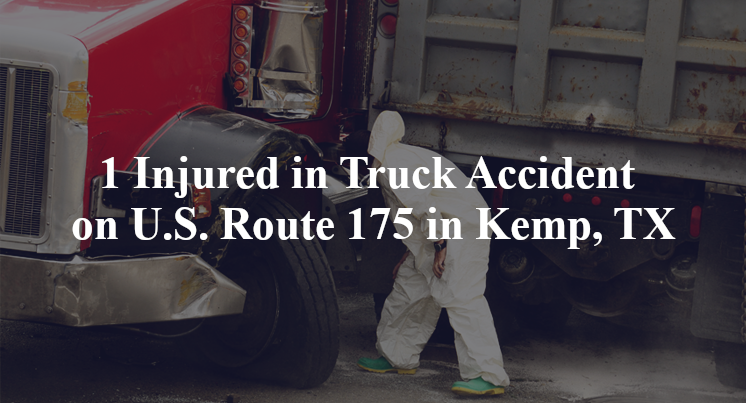
A passenger in the Aviator, a 59-year-old Athens woman, suffered serious injuries in the crash, according to the report. The driver, a 59-year-old man, is listed as suffering possible injuries. Their names have not been made public at this time.
No other injuries were reported.
Authorities have not released any additional information about the Kauman County crash.
Commentary by Attorney Michael Grossman
When a semi-truck jackknifes in slowing traffic, the usual question is what caused it. But a better question might be: why did it have the opportunity to happen in the first place?
Trucks don’t just jackknife because they’re big or because the road is busy. They jackknife because the driver loses control, typically from braking too hard, swerving suddenly or not maintaining a proper following distance. All of those are driver behaviors that are preventable with the right training, proper vehicle maintenance and realistic scheduling that doesn’t pressure drivers to rush.
In this case, the outcome was especially concerning because the truck hit four other vehicles, not just one. That points to more than just a split-second mistake; it suggests the truck was moving too fast for the conditions and failed to respond to changes in traffic safely. That’s a systems failure, not just driver error. It raises questions about how closely the company monitors speed, following distance and safe driving practices in slowdowns, especially on major roads where congestion and stop-and-go traffic are a daily reality.
Too often, crashes like this one are chalked up to “accidents” as though nothing could be done. But when a vehicle weighing 40 tons starts skidding sideways through lanes of traffic, the time to talk about what could have been done is long past. It’s up to the companies who put these trucks on the road to make sure they have drivers and equipment that are ready for conditions that change fast, and leave little margin for error.
 call us
 Email Us
 Text us