

Desert Center, CA — December 9, 2024, one man was killed in a one-truck accident at about 2:45 a.m. on Interstate 10.
Authorities said a semi-truck overturned for unknown reasons in the westbound lanes of I-10 near Hayfield Road. The truck subsequently caught fire, reportedly being fully involved in flames when emergency personnel arrived on the scene.
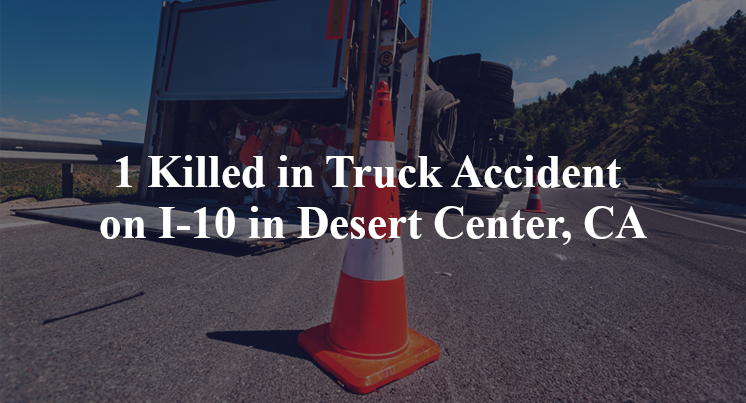
One man was pronounced dead at the scene, authorities said, but no information about his identity has been released at this time.
Authorities have not disclosed any more details about the crash or what type of cargo was being carried by the overturned truck. The crash is still under investigation by authorities.
Commentary by Attorney Michael Grossman
When I hear about a single-vehicle accident involving a semi-truck that overturns and catches fire, my first thought is that there are critical unanswered questions that need attention. A crash like this raises important issues about how the accident occurred and the factors leading up to it.
The first thing that stands out is the need to investigate why the truck overturned. Overturns can result from multiple factors: driver error, mechanical failure, improper loading or even roadway conditions. Each of these possibilities ties directly to a party’s duty to act responsibly and within the law.
- Driver’s Actions: Did fatigue, distraction, or impairment play a role? Early-morning crashes like this often point to fatigue, particularly if the driver was nearing the end of his shift. This is why obtaining the driver’s Hours of Service (HOS) logs is essential.
- Mechanical Failure: Tire blowouts, brake failures or steering malfunctions are common culprits in rollovers. Examining the truck’s maintenance records will help determine whether this crash resulted from preventable mechanical issues.
- Cargo-Related Issues: Overloaded or improperly secured cargo can destabilize a truck, especially when it maneuvers suddenly or travels on uneven surfaces. Federal regulations require drivers and their employers to ensure cargo is properly loaded and secured. If these regulations were violated, liability could extend to multiple parties, including the company that loaded the truck.
- Roadway Conditions: Was the road surface damaged, slippery, or otherwise hazardous? If poor road maintenance contributed to the crash, state or local authorities responsible for maintaining the highway could bear some liability.
The fact that the truck caught fire and was fully engulfed by the time emergency responders arrived is another area that warrants attention. In my experience, fires in truck crashes often result from ruptured fuel tanks. In some cases, they point to design flaws or improper maintenance.
- Fuel Tank Design: Many semi-trucks use side-saddle fuel tanks that are vulnerable during rollovers. If the fire originated from these tanks, the manufacturer or company responsible for retrofitting the truck could be partially liable.
- Hazardous Materials: If the truck carried flammable or hazardous materials, there are strict rules about how those substances should be transported. Non-compliance can drastically increase the severity of a crash.
To get to the bottom of what happened, investigators need to move beyond the crash scene and analyze:
- Engine Control Module (ECM) Data: This “black box” can reveal key information like the truck’s speed, braking, and driver inputs before the crash.
- Driver’s Cell Phone Records: These records can help rule out or confirm whether the driver was distracted leading up to the incident.
- Maintenance and Inspection Logs: These will show whether the truck was fit for operation at the time of the crash.
- Cargo Manifest: Understanding what the truck was carrying can clarify whether the cargo played a role in the rollover or fire.
While single-vehicle accidents often focus on the driver, that’s rarely the whole story. It’s possible that employer practices, such as insufficient training, lax maintenance protocols or unreasonable scheduling, contributed significantly to the crash. These systemic failures can point to broader negligence that deserves to be addressed.
The bottom line is that crashes like this one often require thorough and independent investigations to ensure that all the relevant factors are uncovered. Without looking at everything from the driver’s training to the truck’s condition to the company’s policies, it’s impossible to understand how this crash occurred.
 call us
 Email Us
 Text us