

Hattiesburg, MS — December 15, 2024, one person was injured in a truck accident at about 12:45 p.m. on State Highway 42 at Monroe Road.
Authorities said a semi-truck hauling vehicles collided with a Nissan SUV at the corner of the intersection.
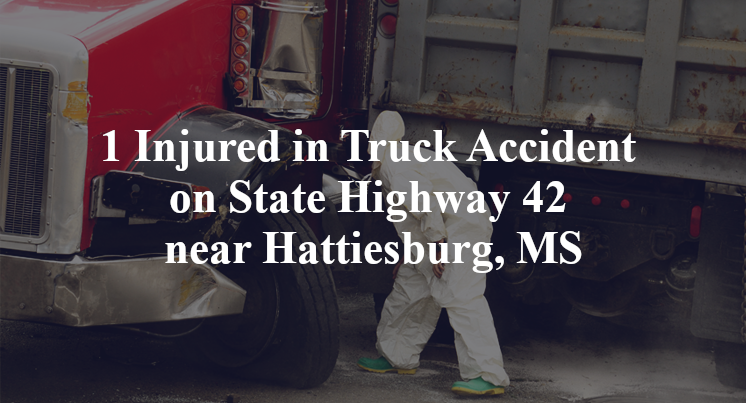
One person reportedly was transported from the scene by ambulance, but authorities have not said how that person was involved in the accident on the highway also known as the Evelyn Gandy Parkway.
No further details about the crash have been released at this point.
The crash is still under investigation.
Commentary by Attorney Michael Grossman
When a semi-truck hauling vehicles collides with a smaller SUV, as described in this incident, it raises immediate questions about right-of-way, driver behavior, and the safety of both vehicles involved. At an intersection like this one, determining what led to the crash will require a closer examination of the actions of each driver and other contributing factors.
Intersections are one of the most common sites for vehicle collisions, often because one driver fails to yield the right-of-way. Investigators should determine if there were traffic controls at the intersection, such as stop signs, traffic lights, or yield signs. Did either driver ignore or misjudge the traffic controls? For example, did the SUV attempt to turn or cross in front of the semi-truck? Were there visibility issues, such as trees, road design, or the truck’s large trailer obstructing the drivers’ view of one another?
Semi-trucks hauling vehicles are long, heavy, and require more time and space to stop or maneuver safely. Investigators need to figure out if the semi-truck was traveling at an appropriate speed for the intersection. Even if the truck had the right-of-way, excessive speed can make it impossible to avoid a collision. Did the driver take evasive action to avoid the crash, such as braking or swerving? Skid marks and the truck’s engine control module (ECM) data can reveal speed, braking patterns, and steering inputs leading up to the impact. Was the driver distracted, fatigued, or otherwise inattentive? Reviewing hours-of-service logs and cell phone records can help answer this question.
Investigators should also examine whether the design of the intersection contributed to the crash. Were sightlines at the intersection clear for both drivers? Intersections with sharp angles, poor signage, or obstructed views are particularly dangerous for large trucks. Is this a high-traffic intersection? Heavy traffic can lead to rushed or miscalculated decisions, especially for vehicles with limited maneuverability like semi-trucks.
Both vehicles’ conditions may have influenced the outcome of the crash. Was the semi-truck’s cargo properly secured? Improperly loaded vehicles can shift during travel, affecting the truck’s stability and braking ability. Did the SUV’s safety systems, such as airbags or seat belts, function as intended to minimize injuries?
Determining liability in intersection crashes often depends on reconstructing the events leading up to the impact. Evidence such as witness statements, surveillance footage (if available), ECM data from the truck and physical evidence like skid marks and vehicle damage patterns will help paint a clearer picture of what happened.
Crashes involving large commercial trucks are rarely simple, particularly at intersections where multiple factors come into play. The investigation will need to address questions of right-of-way, driver behavior, and intersection safety to determine what caused this collision and whether it could have been prevented. Only through a careful review of the evidence can the full story be uncovered and the appropriate parties held accountable.
 call us
 Email Us
 Text us