

Hillsboro, OR — July 21, 2025, One person was injured following a tow truck accident that occurred sometime Monday on Brookwood Pkwy.
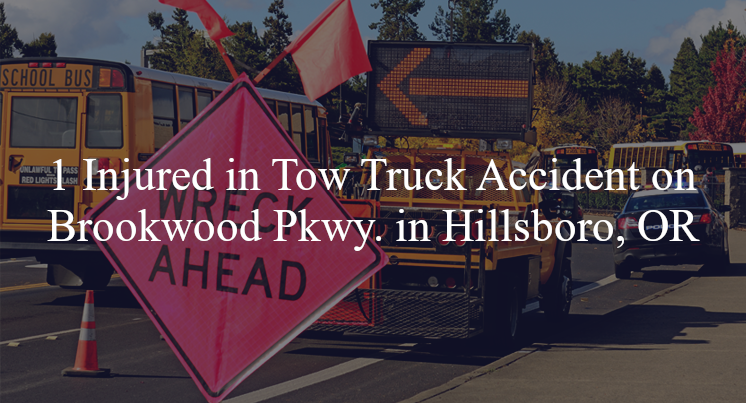
According to reports, a tow truck was traveling on Brookwood Parkway when the driver reportedly suffered a heart attack which caused the truck to go off road and strike a work pickup with a cherry picker before continuing down the sidewalk and hitting a light pole.
First responders arrived and transported the driver to the hospital, and it appears that no one else was injured in the accident. This remains an ongoing investigation, and more details may be released by officials in the future.
Commentary by Attorney Michael Grossman
When a commercial vehicle like a tow truck leaves the road and crashes into roadside equipment, most people’s first instinct is to ask what went wrong behind the wheel. In this case, reports suggest the driver may have suffered a heart attack, which led to the loss of control. That’s certainly a serious medical event, but from a legal standpoint, it doesn’t automatically end the conversation about responsibility.
In situations like this, one of the key questions becomes: Should the driver have been behind the wheel in the first place? If a medical emergency truly caused the crash, it’s important to know whether there were any warning signs beforehand. Did the driver have a known heart condition? Were they under a doctor’s care? Had there been any recent episodes that might’ve made them unfit to operate a commercial vehicle?
These aren’t idle questions—they’re rooted in real-world experience. I’ve handled cases where drivers with documented health issues were cleared by company doctors with minimal screening, or where paperwork was rubber-stamped to keep trucks moving and jobs filled. That may not be what happened here, but if the investigation shows the company knew—or should have known—about a serious medical risk, that changes the liability landscape entirely.
Even when a medical emergency is sudden and unforeseeable, investigators still have to evaluate the company’s role. Did they follow proper procedures for evaluating the driver’s fitness? Was the driver under unusual stress or long hours that could have contributed? And what about the safety systems in the truck—was there anything in place that could’ve helped prevent or reduce the damage, like automatic emergency braking or collision alerts?
At this stage, we don’t have those answers, but that’s exactly why a thorough investigation is so important. It’s not about pointing fingers—it’s about making sure the facts are known, and that future risks are identified before another driver, worker, or pedestrian gets hurt.
Key Takeaways:
- A reported medical emergency doesn’t automatically remove questions of legal responsibility.
- The driver’s medical history and fitness for duty should be closely reviewed.
- Employers may face scrutiny if they failed to properly screen or monitor the driver’s health.
- Safety systems and company oversight procedures may also play a role in preventing or mitigating crashes.
- Getting the full picture requires looking beyond the surface and following the evidence wherever it leads.
 call us
 Email Us
 Text us