
Lewisville, TX — August 6, 2024, Reginald Lowery was injured in a car accident at about 5:15 p.m. on State Highway 121.
A preliminary accident report indicates that a 2024 Infiniti QX80 was turning left onto the northbound Interstate 35 frontage road when hit a westbound 2021 Honda CH50 motorcycle.
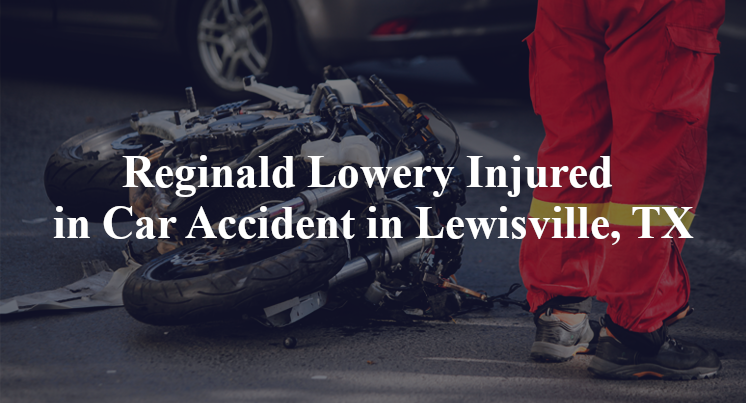
Motorcyclist Reginald Lowery, 39, was seriously injured in the crash, according to the report.
The Infiniti driver was not hurt, the report states.
The report does not include any additional information about the Denton County crash.
Commentary by Attorney Michael Grossman
Moments that turn a routine drive into a life-altering event tend to leave more questions than answers. When a collision results in serious injury, especially involving a vulnerable road user like a motorcyclist, it’s important to dig beneath the surface of the initial report. Every piece of the puzzle, seen and unseen, deserves close scrutiny.
Did the authorities thoroughly investigate the crash? There’s no mention yet of whether crash reconstruction specialists were called in, or if the scene was analyzed beyond the immediate collision details. That matters, because left-turn crashes can be deceptively complex. Did investigators consider whether either driver tried to avoid the crash? Were there skid marks, or signs of braking? Did they check traffic patterns and witness accounts to better understand timing and movement? These steps require training that not every responding officer may have, which is why involving qualified reconstruction teams is so critical in cases like this.
Has anyone looked into the possibility that a vehicle defect caused the crash? When one vehicle turns across the path of another, people often jump to conclusions about driver judgment. But in reality, even a small mechanical issue — say, a delay in steering response, a brake assist failure or a timing glitch in the motorcycle’s throttle — can make a big difference. It’s not clear if either vehicle was inspected for defects, but doing so is key. Especially in newer models, subtle failures might not show up without a deep diagnostic scan.
Has all the electronic data relating to the crash been collected? Both vehicles involved here are recent models, which means they likely contain valuable crash-related data. From GPS logs to braking events and steering inputs, modern vehicles can paint a second-by-second picture of what really happened. That data can confirm whether a driver saw the other vehicle in time, tried to slow down or made any sudden maneuvers. It’s unclear whether that information has been preserved or reviewed yet, but it could prove central to understanding how and why the crash unfolded the way it did.
Looking past the surface of any collision means asking uncomfortable but necessary questions. What’s visible at the scene is rarely the full story. And without careful investigation into human behavior, mechanical reliability and electronic evidence, the real causes too often go unexplored.
Key Takeaways:
- Police reports don’t always capture the full complexity of how a crash happened.
- Newer vehicles can fail in subtle ways, only a detailed inspection will reveal the truth.
- Onboard data systems can clarify key moments before and during a collision.

 call us
  Email Us
  Text us