

Cameron County, TX — August 5, 2024, a man was injured in a motorcycle accident at approximately 1:30 a.m. along Interstate Highway 69E.
According to authorities, a 34-year-old man from Brownsville was traveling on a northbound Suzuki motorcycle on I-69E at the exit for Pablo Kisel Boulevard when the accident took place.
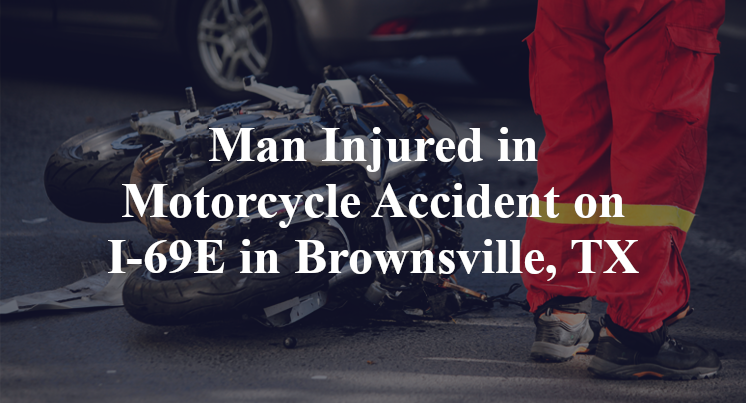
Officials indicate that, for as yet unknown reasons, as the motorcycle took the exit, it apparently attempted an unsafe right turn, hitting the median that separates the exit ramp from the frontage road. The motorcycle consequently lost control, overturning onto its right side.
The man reportedly sustained serious injuries over the course of the accident; he was transported to a local medical facility by EMS in order to receive necessary treatment. Additional details pertaining to this incident—including the identity of the victim—are not available at this point in time.
Commentary by Attorney Michael Grossman
Crashes involving motorcycles are often attributed to rider error, especially in the early morning hours. But when a bike overturns during what should be a routine exit, and the rider ends up seriously hurt, it’s worth asking whether anyone looked beyond that first impression.
1. Did the authorities thoroughly investigate the crash?
A motorcycle going down during an exit maneuver raises questions about speed, surface conditions, and visibility. Did investigators document the geometry of the turn, the angle at which the rider approached the median, or whether the signage and lighting provided clear guidance at that hour? Were any markings on the pavement—like skid or scrape marks—recorded to understand the bike’s trajectory? Without that level of detail, it’s hard to know whether the turn was genuinely unsafe or simply appeared that way after the fact.
2. Has anyone looked into the possibility that a vehicle defect caused the crash?
Motorcycles require precise control inputs to remain stable, especially during turns. A sudden mechanical failure—like brake locking, throttle hesitation, or steering stiffness—could easily lead to a crash like this. Even tire pressure or suspension imbalance could make the motorcycle react unpredictably on a ramp. But these types of defects don’t leave obvious signs unless the bike is inspected right away. If that didn’t happen, the true cause of the crash may never be identified.
3. Has all the electronic data relating to the crash been collected?
Some modern motorcycles and rider gear include GPS tracking, ride-logging systems, or mobile apps that can show speed, braking, and lean angle. That kind of data could clarify whether the rider attempted to brake or adjust the turn before striking the median. Surveillance footage from businesses near the exit ramp might also show how the crash unfolded. But this kind of evidence is time-sensitive and easily lost if not actively preserved.
Motorcycle crashes are rarely as simple as “the rider went down.” The real question is whether the machine responded the way it should have—and whether anyone took the time to find out.
Takeaways:
- Exit-ramp crashes need scene documentation to evaluate approach angle and rider behavior.
- Mechanical failures—especially in braking or steering—can cause sudden instability.
- GPS or ride-tracking data, and nearby camera footage, may clarify what really happened.
 call us
 Email Us
 Text us