

Harris County, TX — July 21, 2025, One person was killed following a motorcycle accident that occurred at around 5:00 A.M. on Atascocita Road.
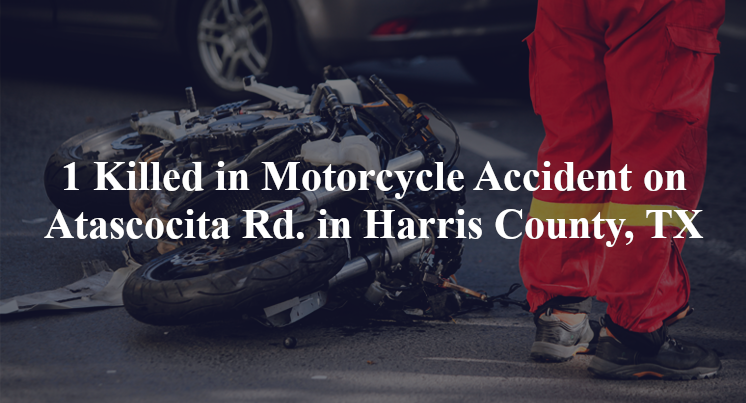
According to reports, a Jeep Cherokee was traveling west on Atascocita Road and turned left onto Atascocita Bend Drive when it was struck by a motorcycle, the impact of which ejected the rider.
When first responders arrived on the scene they found the motorcyclist fatally injured and he was pronounced deceased. No other injuries were reported in the crash, and officials have not released an update on the investigation’s status.
Commentary by Attorney Michael Grossman
Intersections often compress decisions into seconds. When a vehicle turns across oncoming traffic, even small misjudgments in speed or distance can lead to serious outcomes. Understanding what really happened takes more than reviewing surface-level facts.
Did the authorities thoroughly investigate the crash?
A collision between a motorcycle and a turning vehicle isn’t something that can be accurately assessed without detailed reconstruction. That means measuring stopping distances, mapping impact points, and analyzing the sequence of movements for both vehicles. If investigators didn’t go beyond basic reporting or weren’t equipped with the right training, the most important factors—like timing and visibility—may still be unclear.
Has anyone looked into the possibility that a vehicle defect caused the crash?
Mechanical issues—like faulty turn signals on the Jeep or a failure in the motorcycle’s brakes or throttle—could be easy to overlook without a full inspection. These aren’t always obvious from the outside, and without a teardown or diagnostic scan, a defect could be missed entirely. Just because it’s a common type of crash doesn’t mean every cause is ordinary.
Has all the electronic data relating to the crash been collected?
Vehicle systems today are often the best witnesses. Many newer motorcycles and SUVs log key data such as speed, braking force, and throttle input. That’s in addition to phone records, GPS history, and potential footage from intersection cameras. All of these can help clarify what decisions were made and when—and whether either party tried to avoid the collision. If this data hasn’t been preserved, critical answers might already be gone.
The surface of a crash rarely tells the full story. Asking the right questions ensures that the events are understood, not just recorded.
Key Takeaways:
- The crash should be reconstructed using detailed scene mapping and timing analysis.
- Both vehicles should be inspected for mechanical or signal-related failures.
- Digital data may reveal key facts about speed, braking, and avoidance attempts.
 call us
 Email Us
 Text us