

Mansfield, TX — August 15, 2024, Joseph Powell was injured in a car accident at about 9 p.m. in the 200 block of Calender Road.
A preliminary accident report indicates that a 2011 Toyota Camry was turning left onto Acadia Street when it entered the path of a southbound 1981 Harley-Davidson FXDB motorcycle.
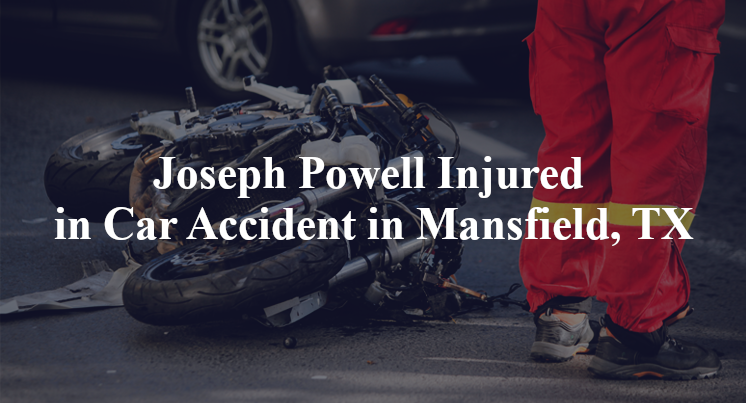
Motorcyclist Joseph Powell, 43, was seriously injured in the resulting crash, according to the report.
The Toyota driver, who was not hurt, was cited for failure to yield after the accident, the report states.
Commentary by Attorney Michael Grossman
After a major crash, it’s natural to wonder whether all the right steps were taken; not just in assigning fault, but in truly understanding what happened. Serious injuries demand serious scrutiny, especially when they occur in collisions involving motorcycles, where visibility and timing often play crucial roles. But sometimes, what seems obvious at first glance can distract from other important factors worth examining.
Did the authorities thoroughly investigate the crash? While issuing a citation for failure to yield suggests officers made a decision about who was at fault, it’s less clear whether they went beyond that to analyze the full dynamics of the crash. With motorcycles, even small misjudgments in speed or distance can lead to devastating consequences. Did investigators reconstruct the scene using precise measurements or advanced mapping tools? Was there any attempt to determine how fast each vehicle was traveling, or to confirm when each entered the intersection? These details are essential in building a complete picture; not just for accountability, but for understanding whether this crash might have been avoidable with different timing or awareness. It’s worth noting that not all responding officers have the same level of crash reconstruction training, which can lead to important clues being missed.
Has anyone looked into the possibility that a vehicle defect caused the crash? A 2011 Camry and a 1981 Harley-Davidson are both old enough that mechanical issues can’t be ruled out. Something as subtle as delayed brake response or a malfunctioning turn signal could have played a role. Likewise, older motorcycles might lack modern safety systems that help avoid collisions. Was either vehicle thoroughly inspected beyond visual damage? If not, there’s a real possibility that unseen mechanical problems could be overlooked, potentially misdirecting blame or missing a chance to prevent a future incident.
Has all the electronic data relating to the crash been collected? Even older vehicles can sometimes yield electronic clues, particularly through devices like aftermarket GPS units or mobile phones. Did investigators access any phone records or GPS history to confirm speeds or potential distractions? Cameras, whether traffic-mounted or from nearby homes, can also offer valuable insight into what each driver was doing moments before impact. Without this digital evidence, crucial parts of the timeline might remain unclear.
When someone gets seriously hurt, it’s easy to stop asking questions once a citation is issued. But accountability isn’t always that straightforward. Every crash has layers, and unless each is pulled back and examined, we risk settling for surface-level answers when deeper truths may be waiting.
Key Takeaways:
- Police reports may not capture all the crash details without deeper scene analysis.
- Older vehicles can have hidden mechanical issues that deserve investigation.
- Phone, GPS or camera data may hold key evidence that often goes unreviewed.
 call us
 Email Us
 Text us