
Austin, TX — April 5, 2025, One person was killed following a car accident that occurred Saturday morning on I-35.
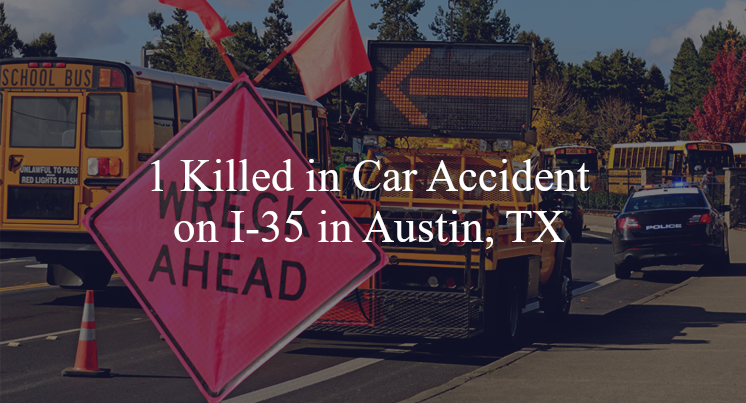
An investigation is underway following a car accident that left one person dead during the morning hours of April 5th. According to official reports, a pedestrian was struck by a vehicle on the southbound lanes of I-35 near the 12th Street exit, though the exact circumstances of the accident are unknown at this time.
When first responders arrived on the scene, they found that the pedestrian had sustained fatal injuries and they were pronounced deceased. At this time there has been no further information released from the accident, including the identity of the pedestrian or how the collision occurred, however this remains an ongoing investigation and more details may be released by authorities in the future.
Commentary by Attorney Michael Grossman
When a pedestrian is struck and killed on a high-speed roadway like I-35—especially during early hours when visibility may be limited—the investigation must be thorough and consider all possible contributing factors. In this April 5th incident near the 12th Street exit, where a pedestrian was fatally injured and the circumstances of the collision remain unknown, a proper investigation must start with three fundamental questions: (1) Did the authorities thoroughly investigate the crash? (2) Has anyone looked into the possibility that a vehicle defect caused or contributed to the crash? (3) Has all the electronic data relating to the crash been collected?
Understanding why a pedestrian was on the roadway is critical. Investigators should examine surrounding infrastructure to determine whether the individual was attempting to cross, walking along the shoulder, or involved in a prior incident that left them in the roadway. Visibility, lighting, and signage near the scene should be assessed, as should the time of day and prevailing weather conditions—all of which can influence driver response times and situational awareness.
The vehicle involved in the crash must also be inspected. While human factors often dominate the discussion in pedestrian collisions, equipment-related issues such as headlight malfunction, steering problems, or braking failure can hinder a driver’s ability to avoid a collision. Additionally, the vehicle’s speed, lane position, and the driver’s reaction should be evaluated through both witness statements and physical evidence at the scene.
Crucially, the vehicle’s electronic control module (ECM) may contain vital pre-crash data. This includes speed, throttle position, braking force, and steering inputs in the seconds before impact. This data can help determine whether the driver attempted to avoid the pedestrian and whether the vehicle responded appropriately. Prompt collection of this data is key, especially if the vehicle is moved, repaired, or salvaged soon after the incident.
Until these three investigative areas are thoroughly explored, the cause of the incident remains incomplete. A methodical approach that includes scene analysis, vehicle inspection, and digital data retrieval is essential—not only to determine how this fatal collision occurred, but also to identify opportunities to reduce pedestrian risk on major roadways moving forward.

 call us
  Email Us
  Text us