

Indianapolis, IN — December 19, 2024, one person was killed in a truck accident at about 10:40 a.m. on Interstate 65 near Southport Road.
Authorities said a semi-truck hauling wood pallets veered off the road for an unknown reason. It caught fire after hitting several signs and a guardrail.
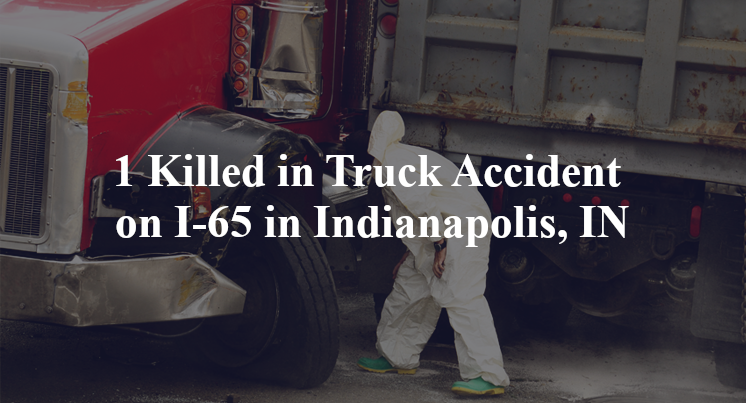
The driver, a 60-year-old man whose name has not been released at this time, died after the crash, authorities said.
The crash shut down the southbound lanes of the interstate on the south side of Indianapolis for about four hours.
The accident is still being investigated.
Commentary by Attorney Michael Grossman
This crash highlights several recurring themes in commercial trucking accidents, particularly those involving single-vehicle crashes and vehicle fires. Anytime a truck veers off the road for no apparent reason, the immediate question is: Why did this happen? That question becomes even more pressing when the consequences are as severe as they were here, with the death of the truck driver.
The investigation should start with the truck driver. Was there a medical event, such as a heart attack or stroke, that might have caused the loss of control? Or was distraction, fatigue or impairment a factor? In my experience, it’s not uncommon for truck drivers to push themselves to the limits of their stamina, sometimes due to tight schedules enforced by their employers. Accessing the driver’s medical records, hours-of-service logs and cell phone activity could provide valuable insights.
Another critical area to examine is the mechanical condition of the truck. Brake failure, tire blowouts or steering system malfunctions are known contributors to accidents like this. The truck’s maintenance records and inspections must be reviewed, and the vehicle’s debris should undergo forensic analysis to identify any equipment failures.
While reports don’t indicate poor weather or road conditions, investigators should evaluate whether the design or condition of the road played a role. Did the guardrail or signage present a hazard? Was there debris on the road or a curve that may have been improperly marked?
The fire that followed this crash warrants a closer look. Many people are unaware that vehicle fires often stem from poorly protected fuel tanks or other design flaws, not just the severity of the impact. As seen in cases like the Jeep Cherokee gas tank fires from years ago, these vulnerabilities can exacerbate already severe accidents. Investigators should rule out whether better design or maintenance could have prevented or mitigated the fire.
This crash also illustrates how devastating single-vehicle trucking accidents can be, not only for the driver but for public safety and infrastructure. The fire and crash shut down the southbound lanes of I-65 for hours, affecting countless others. In cases like this, it’s critical to ask whether the trucking company provided adequate training, supervision and vehicle upkeep. A company’s failure in these areas often turns what could have been a manageable incident into a life-ending catastrophe.
Finally, a case like this reminds us of the limitations of traditional crash investigations. Gathering answers requires more than examining the crash scene. It means looking into every factor, from the company’s practices to the road’s condition, and even the truck’s design and maintenance history. Only a comprehensive approach can ensure accountability and help prevent similar tragedies in the future.
 call us
 Email Us
 Text us