

In a matter of seconds, a night out can turn into a nightmare. After things wind down, people head out, and everything seems routine at first. Then somewhere along the way, things go sideways.
When alcohol and driving come together, most people zero in on the driver. And rightfully so. But in Texas, that’s only part of the picture.
It often starts at the bar, before anyone even gets on the road. Bars are part of what leads up to a crash. When they ignore obvious warning signs and keep serving someone who’s already drunk, they’re making a choice that can quickly lead to a dangerous situation.
If the driver had been drinking at more than one bar before the crash, those places may share the blame. Texas law doesn’t let bars off the hook for over-serving. If they kept pouring drinks for an obviously drunk person, they could be held responsible for what happens next.
And let’s be honest, nights like this rarely happen in one spot. People move around from one bar to the next, and the drinks keep coming. Somewhere along the way, someone should have cut it off. They didn’t.
If you were hurt by a drunk driver who had been bouncing from place to place, there may be several ways to pursue a legal claim. A lawyer can dig into where the driver went, what happened at each stop, and which bars crossed the line. That kind of investigation requires resources and access that most people don’t have.
These cases go beyond the crash itself. They look at everything that has built up to it. Every drink served after someone was already drunk increases the risk, plain and simple.
When you understand how this works, you start to see the bigger picture. These claims can get complicated, especially when multiple businesses are involved. Having the right attorney makes a real difference when it comes to sorting it all out and holding the right parties accountable.
What Texas Dram Shop Law Says About Serving Drunk Customers
Texas dram shop law is clear on one key point: bars and restaurants (or anyone else selling alcohol) can’t serve someone who’s obviously intoxicated. This isn’t a gray area. If a person is slurring their words, stumbling, or showing clear signs of being drunk, service should stop.
The law expects businesses to act responsibly in real time. It means staying alert – not blindly serving round after round. Bartenders and servers are trained to spot when someone has had too much. When they ignore those signs, it’s so much more than bad judgment. It’s a legal problem.
Some people believe that alcohol use is a personal issue. That couldn’t be further from the truth. Drinking doesn’t just affect the drinker. It has the potential to affect everyone they come into contact with afterward, especially when they get behind the wheel.
If that person leaves the establishment and causes an accident, the business that kept serving them can be held responsible. It may seem like the law seeks to punish bars for selling alcohol. But that’s not the case. The goal is to hold businesses accountable when they ignore obvious signs of danger.
In a dram shop case, the question is twofold: Was the driver drunk? Should the bar have seen it and stopped serving them? That’s where things start to take shape legally.
And in Texas, those standards apply to every place that served the driver that night.
Can More Than One Bar Be Responsible for a Fatal Accident Claim?
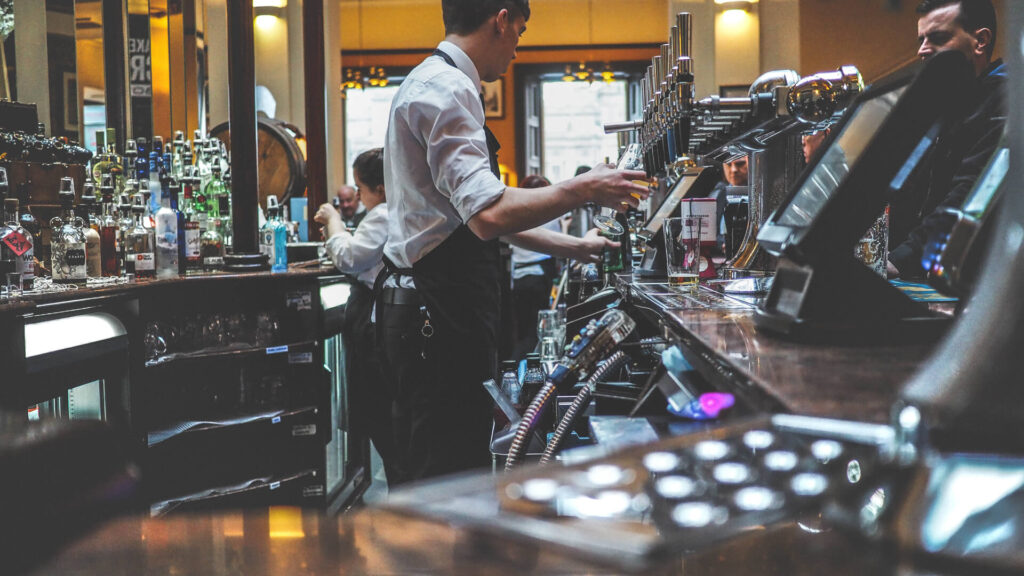
Yes, more than one bar can absolutely be responsible. It happens more often than people think, especially in cities where moving between bars is part of a normal night out.
Picture a driver going out for the night. They start at one place, have a few drinks, then move on. Maybe they hit two or three spots before heading home. Each stop adds more alcohol into the mix, and at some point, the line into obvious intoxication gets crossed.
By the end of the night, they’re clearly drunk. Then comes the crash.
In that situation, it’s not just about where they had their last drink. Every bar that kept serving them after they were already drunk could share responsibility. That means multiple businesses may be part of the same case.
Each location had its own opportunity to step in. Each one made a choice. When those decisions stack up the wrong way, someone can end up seriously hurt.
For the injured person, this can open up more avenues for recovery. Medical care after an injury can be expensive. Time away from work adds more pressure. The impact doesn’t stop after the accident scene clears.
Holding all responsible parties accountable helps address the full scope of what happened. It reflects everything that led up to the accident, instead of just the final moments. It also reinforces that businesses should play a role in preventing harm. When that responsibility is ignored, there are steep consequences.
An experienced attorney knows how to look at the full picture. That broader view can change the direction of a case.
How Do Lawyers Prove Which Bars Over-Served in a Fatal Accident Case?
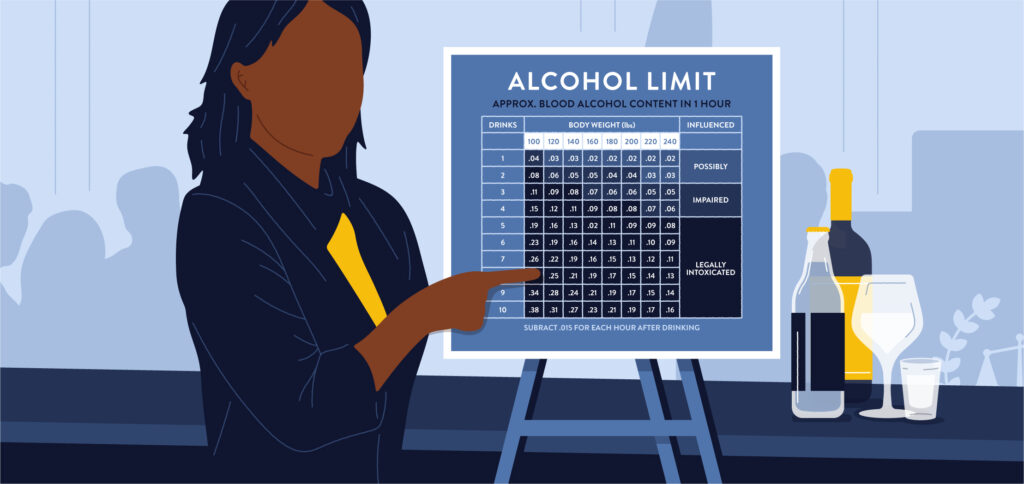
Any strong dram shop case is built on evidence. This part takes a ton of effort.
Lawyers start by piecing together a timeline of the night. That sounds simple, but it’s anything but. Every stop, every drink, every interaction matters.
They look at where the driver went, when they arrived, how long they stayed, and what they were served. Small details start to add up. A single receipt might not say much on its own, but several placed in order can tell a clear story.
Security camera footage allows you to see how the driver was acting inside a bar. That’s often one of the most important pieces of proof in these cases. It documents what was happening in real time; there’s no need to rely on someone’s memory after the fact. You can see how the person moved, how they interacted with others, and whether they appeared steady or off balance.
Video doesn’t leave much room for guesswork. It can show someone stumbling, leaning on the bar, or struggling to focus. It may also capture how long they stayed and how often they were served. Those details help to determine what the staff saw.
It also highlights how the bar handled the situation. Whether employees continued serving, ignored warning signs, or failed to step in when they should have. That kind of footage can connect the dots between what was happening inside the bar and what later led to the accident.
Receipts and credit card records help track what was purchased. If drinks were ordered back-to-back or in large quantities, that raises red flags. Evidence like this helps to show how much alcohol was served and how quickly.
Witness statements add another piece to the puzzle. Bartenders, servers, other customers, or even friends who were there that night may have picked up on how the driver was acting. People notice things like slurred speech, unsteady movement, or changes in behavior. Those details may line up with footage and records to lend more insight into what was really going on.
Cell phone data and social media posts can fill in the gaps. People often post where they are or share photos without thinking twice. Later, those posts can help place the driver at specific locations and times.
All of this gets combined into a single timeline.
When that picture comes together, it reveals a lot. In addition to showing obvious intoxication, it pinpoints exactly when it became obvious and which bars kept serving anyway. That’s the point where legal responsibility comes into play.
What Makes a Fatal Dram Shop Case Harder When Multiple Bars Are Involved?
When more than one bar is involved, things get complicated fast. There’s no way around that.
Each location has to be evaluated separately. Just because the driver was drunk at the end of the night doesn’t mean every bar is automatically responsible. The focus is on timing.
A bar is only liable if it served the driver when they were already obviously intoxicated. That means the investigation has to zoom in on the driver’s condition at each stop.
That level of detail takes hard work. It also takes speed, because evidence doesn’t sit around forever. Surveillance footage can be erased. Receipts can be lost. On top of that, people quickly forget what they saw.
Plus, bars don’t make things easy. Some drag their feet when it comes to turning over records, while others deny that anything went wrong from the start.
There’s also the issue of shifting blame. One bar might try to shift the blame, claiming the driver seemed fine while at their location. That back-and-forth can drag things out and make it harder to pin down responsibility.
A law firm that handles these cases regularly knows exactly what to expect. They know how to move quickly, how to nail down evidence, and how to challenge the other side.
Without that kind of approach, key details can slip away. And once they’re gone, they’re gone for good.
Can Bars Use Any Defenses Against a Fatal Dram Shop Lawsuit?
Bars aren’t quick to take the blame. They usually push back, and they often have a legal team ready to defend them from the start.
One defense you’ll hear a lot in Texas is the safe harbor defense. It’s basically the bar saying, “Our staff was trained, and we didn’t encourage over-serving, so we shouldn’t be held responsible.”
That might sound convincing at first, but it only holds up if they can actually back it up.
Training has to be more than a checklist. Staff need to follow it, and management needs to enforce it, even during a busy shift. If employees kept serving someone who was clearly drunk, that raises real questions about how things were handled.
A lawyer will look beyond what the bar claims and focus on how things actually run day to day. That includes how staff are trained, how closely they’re supervised, and whether those rules are taken seriously.
Bars may also say the driver didn’t seem intoxicated at the time. That’s a common argument. But if there’s strong proof showing the person was clearly impaired, that argument won’t get far.
Video footage, witness accounts, and purchase records can all push back against that claim. When those pieces come together, it gets harder for a bar to deny what happened.
These defenses come up often, but they can be challenged with the right approach and the right evidence.
Contact Grossman Law Offices About Your Fatal Dram Shop Case
If you were hurt in an accident caused by a drunk driver, and that driver had been to more than one bar, you probably have questions. And you should. Situations like this don’t happen out of nowhere.
It’s about figuring out how things got to that point and who had the chance to stop it but didn’t.
These cases can feel like a lot at first. You’re dealing with multiple businesses, each telling their own version of what happened. There’s a lot to sort through, and it’s not something most people are in a position to handle on their own.
That’s where having the right law firm makes a difference.
If you have questions about a dram shop case involving multiple bars, Grossman Law Offices is ready to help. Contact us today for a free consultation – we will listen to your story, explain your rights, and fight to hold every responsible party accountable.

 call us
  Email Us
  Text us