

Were you or a loved one hurt because someone was served alcohol while intoxicated? You may have the right to sue. Filing a dram shop case is one way to hold that business responsible and get compensation for your losses.
But here’s where things can get confusing.
Most people assume the only person responsible is the one who caused the crash or injury. That’s only part of the story. In many situations, the real problem started earlier, with whoever kept serving alcohol when the warning signs were already there.
If you don’t pursue the right people, your case is bound to fail.
At Grossman Law Offices, we have the experience to pin down exactly who should be on the hook for your damages.
Read on to learn more about who can be held responsible in a dram shop claim in Texas.
Understanding Who You Can Sue in a Texas Dram Shop Case

You can’t go after just anyone in a dram shop case. Under Texas law, you can only pursue the person or business that actually served the alcohol illegally.
It’s about where the alcohol came from and how it was served.
Was it a bar? A restaurant? A liquor store? Was someone still being served after they were clearly intoxicated? Or was alcohol given to someone under 18?
Those details drive the whole case.
A good attorney digs into the facts, lays out the timeline, and pinpoints everyone who was at fault.
Sometimes it all points back to one place. Other times, the person was moving around. In that case, it takes more work to connect everything.
If the right parties aren’t brought in early, the defense can point to someone else and try to shift the blame. That can weaken your case and reduce what you’re able to recover.
A strong law firm looks at the whole picture from the start to make sure no one is missed.
Can You Sue a Bar or Restaurant in a Dram Shop Case?
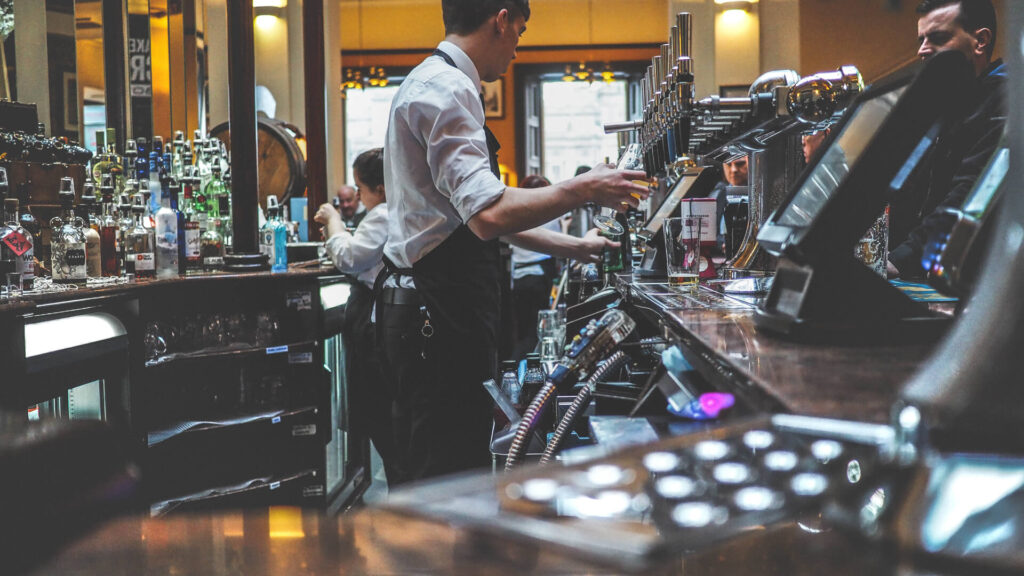
Yes, and in most dram shop cases, the business itself is the focus, not just the employee who poured the drink.
That’s because the law places responsibility on the company behind the bar or restaurant.
If a bartender keeps serving someone who is clearly intoxicated, that responsibility doesn’t always stop with them. It usually extends to the business that employs them.
Plus, the business is the one with the resources to actually compensate you for your injuries. You can’t recover money that doesn’t exist. Focusing on an individual employee won’t get you far when it comes to actual recovery.
A lawyer will take a close look at how the establishment operated that night.
Were the warning signs obvious? Did staff ignore them? Did anyone step in when things started getting out of hand?
Those answers help show how the business contributed to what happened and why it should be held accountable.
Can a Private Person Be Sued in a Dram Shop Case?

In most situations, Texas law doesn’t let you sue a private individual (called a social host) for serving alcohol to another adult. The law draws a clear line here.
But there’s one key exception.
If an adult serves alcohol to a minor who is not their own child, and that minor causes an injury, that adult can be held liable under social host liability.
A lawyer will look closely at how the alcohol was provided.
Was it given directly? Was it allowed to happen without intervention? Was there any supervision?
Those details help lawyers decide whether a private person can be brought into the case.
It doesn’t come up in every situation, but when it does, it can change how a case is built.
Are the Rules Different in a Dram Shop Case Involving a Minor?
Yes, and in some ways, they’re more straightforward.
When an adult is involved, a lawyer has to prove that the person was obviously intoxicated at the time they were still being served. That can take a lot of evidence and careful explanation.
With minors, the focus shifts.
You don’t have to prove that there was visible intoxication. Instead, the issue is whether alcohol was given to a minor by a non-parent. If it was provided and that led to an injury, you’ve got a claim.
In a case like this, a lawyer will approach the case a bit differently.
They will still gather evidence, but the emphasis is different. It comes down to showing the alcohol was given and linking that to what happened next.
In many ways, that makes the legal path clearer. But it doesn’t make the case simple.
You still need solid proof, a clear timeline, and a strong presentation of how everything connects.
Can a Bar Use a Defense to Avoid a Dram Shop Lawsuit?
Bars and restaurants often rely on the safe harbor defense in dram shop lawsuits. It’s their way of trying to avoid responsibility by saying they followed the rules.
To use it, they have to show a few things. That their employees went through a state-approved alcohol safety training program. That the training was actually completed. And that staff weren’t pushed to ignore the law.
On paper, that sounds like a strong argument, but that doesn’t make it true.
A skilled attorney won’t take that claim at face value. They look into how the business actually operated behind the scenes.
What did the training really involve? Was it taken seriously, or just rushed through? Did employees know how to spot intoxication, or were they expected to figure it out on the fly?
Then there’s what happened during real shifts.
Were managers paying attention? Did anyone step in when things started going sideways? Or was the focus on keeping drinks flowing no matter what?
Those answers can tell a very different story than what the business claims.
When you step back and look at everything together, you can start to see holes in that defense.
How Much Time Do You Have To File a Dram Shop Case in Texas?
Timing plays a big role in how strong your case ends up being.
In Texas, most dram shop cases fall under a two-year deadline. That means you have two years from the date of the injury to file a lawsuit.
For minors, the timeline works differently.
The clock pauses until they turn eighteen. Once they reach that age, the two-year window starts.
That can make it seem like there’s plenty of time. But we never recommend waiting.
Waiting is risky because key evidence like witness memories, receipts, and security footage can disappear in the days, weeks, and months following your injury.
So, it’s important to act fast and get a lawyer involved as soon as possible.
A lawyer can step in, identify where key evidence is hiding, and start collecting it before it goes away. That early effort plays a big role in how strong your case is when it’s time to move forward.
Waiting, on the other hand, just makes everything harder. Without the evidence you need, your case could fall apart before it gets off the ground.
Contact Grossman Law Offices About Your Dram Shop Case Today
If you don’t know who to sue or how to move forward, you’re one of many. But here’s the good news: you don’t have to figure it out on your own. That’s why lawyers exist.
These cases take real work. There’s a lot of digging into what actually happened, and the other side is going to push back hard at every step. They’ll look for gaps, question your evidence, and try to shift the blame wherever they can.
That’s why you need a solid plan early on. Not halfway through. Not after problems show up.
When the groundwork is done right, your case has something to stand on. When it’s not, things can start to fall apart when the pressure builds.
Grossman Law Offices has you covered. Our team knows the Texas Dram Shop Act inside and out, and we have a long track record of holding bars, restaurants, and other providers accountable. We’ve recovered millions of dollars for clients in cases just like yours.
Reach out to us today to talk through your options. You’ll be able to connect with a lawyer who understands how these cases work and can walk you through what to expect. Our law firm is available 24/7, so you don’t have to wait to get answers or move your case forward.

 call us
  Email Us
  Text us