
El Paso, TX — August 10, 2024, Russel Whitmore was injured in a motorcycle accident at about 9:40 p.m. in the 1200 block of Gateway North Boulevard.
Authorities said a 2011 Harley Davidson motorcycle appeared to have gone off the road for an unknown reason. It was in the desert area off the south side of the road when authorities arrived on the scene.
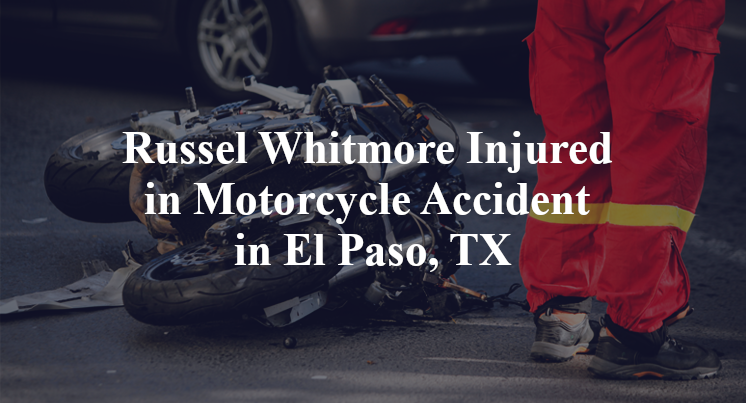
Motorcyclist Russel Whitmore, 47, told authorities that he did not remember the crash, but he must have lost control of his motorcycle.
Russel Whitmore was transported to a local hospital after complaining of elbow and back pain, according to authorities.
No further information about the crash has been released at this time.
Commentary by Attorney Michael Grossman
When I read about a crash like the one in El Paso involving a motorcyclist who went off the road, my immediate thought is that there are often more questions than answers in situations like these. While initial reports suggest the rider may have lost control, my experience has taught me that single-vehicle crashes are rarely as straightforward as they appear. To truly understand what happened, investigators need to address three critical questions: Did authorities conduct a thorough investigation? Could a vehicle defect have caused the crash? And has all electronic data relating to the crash been collected?
The first step is determining whether authorities thoroughly investigated the crash. In this case, the motorcycle was found off the road in a desert area, and the rider reportedly could not recall the events leading up to the crash. Without the rider’s account, authorities must rely heavily on the physical evidence at the scene. Tire marks, debris patterns and even the condition of the road can provide valuable clues about how and why the motorcycle left the roadway. Unfortunately, these elements are sometimes overlooked, especially in single-vehicle crashes where no other parties are involved. A complete investigation may require the expertise of accident reconstruction specialists who can analyze the scene and piece together the events.
Next, it’s important to explore whether a vehicle defect contributed to the crash. Motorcycles are complex machines, and any number of mechanical issues — such as brake failure, a blown tire or a steering problem — could cause a rider to lose control. Additionally, defects in the design or manufacturing of the motorcycle could play a role. For example, some Harley Davidson models have been subject to recalls in the past for issues like defective brakes or clutch systems. Without a forensic examination of the motorcycle, it’s impossible to rule out the possibility that a mechanical failure contributed to the crash. Preserving the motorcycle for such an inspection is critical, as any repairs or disposal of the vehicle could destroy key evidence.
Finally, has all electronic data related to the crash been collected? Modern motorcycles, including a 2011 Harley Davidson, may contain onboard systems that record data such as speed, throttle position and braking activity. This information can be invaluable in determining what happened before the crash. Additionally, nearby surveillance cameras or cell phone records could provide context, such as whether another vehicle or hazard might have forced the motorcycle off the road. Collecting this data as soon as possible is crucial, as it can be lost or overwritten with time.
At the core of any investigation is the need to find answers. For the injured motorcyclist, understanding why he lost control of his motorcycle is essential, not just for his peace of mind but also for preventing similar crashes in the future. Single-vehicle accidents are often dismissed as operator error, but a thorough examination can reveal factors — such as road conditions, vehicle defects or external hazards—that might have contributed to the crash. Ensuring that every question is answered is the first step toward accountability and safety for all road users.

 call us
  Email Us
  Text us