
Houston, TX — September 14, 2025, one person was injured in a car accident at about 4 a.m. on State Highway 6.
A preliminary accident report indicates that a 2011 Hyundai Sonata collided with a 2008 Honda CR60 motorcycle while changing lanes just south of Westheimer Road.
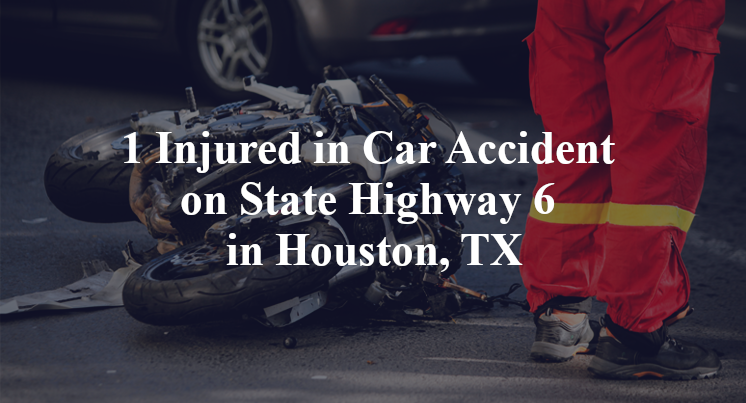
The motorcyclist, a 34-year-old man, was seriously injured in the crash, according to the report. His name has not been made public yet.
The Hyundai driver, who was cited for changing lanes unsafely, and her passenger were not hurt, the report states.
Authorities have not released any additional information about the Harris County crash at this time.
Commentary by Attorney Michael Grossman
When a crash leaves someone seriously hurt in the early morning hours, it raises more questions than answers. Lane changes don’t usually result in life-threatening injuries unless something goes very wrong, either with how the vehicles were handled or what they were capable of doing in that moment. Understanding what really happened means looking beyond the surface-level report.
Did the authorities thoroughly investigate the crash? It’s common for early-morning crashes to receive less investigative attention, especially if the road is quickly cleared to avoid disrupting traffic. In cases like this, where a motorcyclist is severely injured, it’s important to know if authorities brought in crash reconstruction teams, reviewed the path of each vehicle or assessed driver behavior prior to impact. The citation suggests some level of fault was assigned quickly, but was that conclusion based on a full forensic review, or just initial impressions at the scene?
Has anyone looked into the possibility that a vehicle defect caused the crash? Motorcycles and older sedans, like the two involved here, can both present hidden risks. A faulty lane departure sensor, mirror blind spot or worn brakes on the Hyundai could have played a role. Similarly, if the motorcycle experienced any mechanical failure that affected its handling, that would be critical to know. These kinds of inspections often don’t happen unless someone pushes for them, especially if early reports point to driver error alone.
Has all the electronic data relating to the crash been collected? Electronic systems in both vehicles might hold valuable clues. For example, Hyundai models from that era may store data on speed, braking and steering inputs. If the motorcyclist had a helmet cam or connected device, that footage could be just as telling. Reviewing cell phone records and traffic camera footage could also clarify if distraction or misjudgment played a part. Skipping these steps can leave critical context out of the picture.
These kinds of questions are easy to overlook when a citation has already been issued and fault seems obvious. But real answers take more than a traffic ticket. They require a deeper dive into what each vehicle did, how each system functioned, and what might have been missed in the moment.
Key Takeaways:
- A traffic citation doesn’t always mean the full story is known.
- Mechanical issues could still be at play, even if no one’s talking about them yet.
- Electronic data can often show what words and memories can’t.

 call us
  Email Us
  Text us