
Brownsville, TX — November 19, 2024, a man was injured in a motorcycle versus car accident shortly before 10:00 p.m. along Interstate Highway 69E.
According to authorities, a 30-year-old man was traveling on a southeast bound Ducati motorcycle on I.H. 69E in the vicinity north of Ruben M Torres Boulevard when the accident took place.
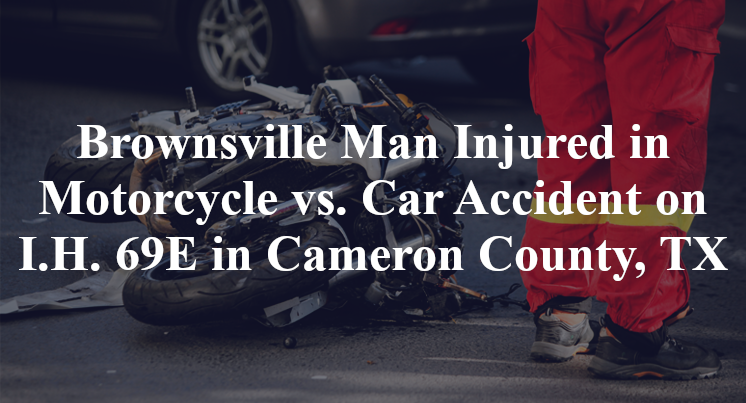
Officials indicate that, for as yet unknown reasons, a sideswipe collision took place between the motorcycle and a Toyota Camry. The motorcyclist reportedly sustained serious injuries over the course of the accident. No other injuries have been reported. Additional details pertaining to this incident—including the identity of the victim—are not available at this point in time. The investigation is currently ongoing.
Commentary by Attorney Michael Grossman
When I see reports like this, my main concern is whether the injured motorcyclist and his loved ones will get the answers they need about what happened. A sideswipe collision between a motorcycle and a car raises immediate questions, but experience has shown me that these incidents often involve more than just operator error. That’s why it’s critical to examine three key questions when looking into any serious accident.
The first question is whether authorities have conducted a thorough investigation. Law enforcement will likely document the scene, but key details can sometimes be overlooked. Were there roadway hazards, such as poor lighting, lane obstructions, or debris, that may have contributed? Were weather or visibility conditions a factor? Did officers determine which vehicle initiated the sideswipe, and did they speak to witnesses or review any available video footage? Ensuring these questions are answered is crucial to understanding the full circumstances of the crash.
The second question to consider is whether anyone has looked into the possibility of a vehicle defect. If the Ducati motorcycle or Toyota Camry experienced a mechanical failure—such as brake issues, steering malfunctions, or tire problems—that contributed to the crash, that could be a key factor in understanding what happened. Additionally, crashworthiness should be examined—did the motorcyclist’s helmet and other protective gear function as intended? Unfortunately, these potential defects are rarely investigated unless someone specifically requests further examination. A forensic analysis of both vehicles could help determine whether a defect played a role in the accident.
Finally, it’s important to determine whether all relevant electronic data has been collected. The Camry’s engine control module may have recorded valuable information about speed, braking, and steering inputs leading up to the crash. While motorcycles don’t always have the same level of onboard data storage, some newer models do record limited performance data that could provide insights into speed or braking before the crash. Additionally, surveillance footage from nearby businesses or highway cameras may offer visual confirmation of what happened. Even cellphone data could be relevant if distraction or another external factor played a role. Securing this evidence quickly is essential to preserving a full and accurate understanding of the accident.
At the end of the day, answering these questions could be essential to understanding what really happened and why. A thorough examination of all three of these issues—including the quality of police investigations, possible vehicle defects, and electronic data—is the least that can be done to ensure that those affected by the crash receive the clarity they deserve.

 call us
  Email Us
  Text us