

Myersville, MD — April 8, 2025, One person was injured following an 18-wheeler accident that occurred at around 5:00 A.M. on I-70.
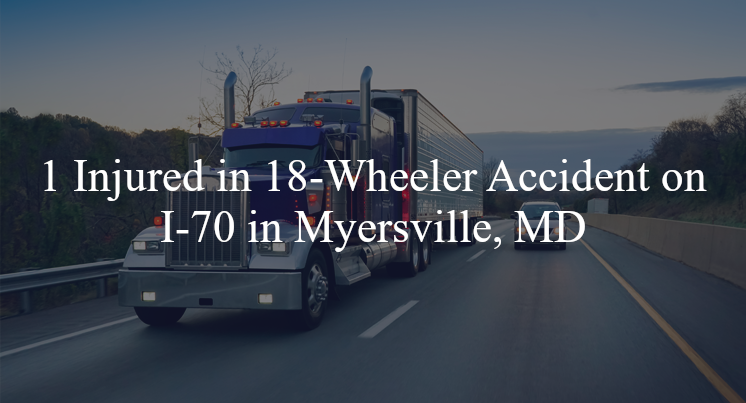
An investigation is underway following a car accident that left one person injured during the morning hours of April 8th. According to official reports, an 18-wheeler hauling batteries was traveling on Interstate 70 in the eastbound lanes near exit 42, when for unknown reasons the truck lost control and rolled over.
When first responders arrived on the scene, they found that the driver was trapped, and after extrication found they had sustained serious injuries and they were transported to the hospital for treatment. At this time there has been no further information released from the accident, including the identity and status of the driver’s injuries, however this remains an ongoing investigation and more details may be released by authorities in the future.
Commentary by Attorney Michael Grossman
When a truck hauling hazardous cargo like batteries rolls over on a major interstate, the questions that follow should go far beyond how bad were the injuries. The real concern is why did the truck lose control, and whether this incident was the result of a preventable failure—either in how the truck was loaded, how it was operated, or how it was maintained.
According to the information available, the truck rolled over while traveling eastbound on I-70 near exit 42. The driver was trapped and seriously injured, which suggests the crash was violent enough to compromise the cab structure. What stands out here is the type of cargo being hauled. Batteries, especially in bulk, are heavy, dense, and must be secured carefully. If the load shifted even slightly, it could throw off the truck’s balance and lead to a rollover—particularly during a curve, sudden maneuver, or braking event.
That’s why one of the first steps in the investigation should be reviewing how the cargo was secured and who was responsible for loading it. If the batteries weren’t evenly distributed or properly restrained, that could point to negligence on the part of the shipper, the driver, or the company overseeing the transport. Federal regulations require commercial loads—especially those involving hazardous materials—to meet specific securement standards. Failing to meet those can create exactly the kind of instability that leads to this outcome.
Beyond the cargo, the truck itself needs to be examined closely. Rollover events often involve a combination of factors: tire blowouts, brake imbalance, steering issues, or even driver overcorrection. Investigators should be pulling the truck’s ECM data to look at speed, braking force, and steering input leading up to the crash. That data can help determine whether this was the result of driver error, mechanical failure, or something else entirely.
It’s also worth asking what role road conditions may have played. Was the surface slick, uneven, or under construction? Even a well-operated and well-maintained truck can be vulnerable if the road surface presents an unexpected hazard—but that still doesn’t let other responsible parties off the hook.
At the end of the day, this wasn’t just a single-vehicle accident. It was a commercial rollover involving potentially dangerous cargo. And crashes like that don’t happen without a reason. The investigation needs to go far beyond the crash site to get to the truth. That’s the only way to ensure the same thing doesn’t happen the next time a load like this hits the highway.
 call us
  Email Us
  Text us