


RECENT RESULTS
-
$10,310,000
Dram Shop / Brain Injury
-
$7,592,060
Dram Shop / Wrongful Death
-
$5,450,000
Truck Accident / Wrongful Death
-
$7,500,000
Truck Accident / Wrongful Death
-
$5,000,000
Dram Shop / Brain Injury
-
$5,000,000
Truck Accident / Wrongful Death
-
$1,765,000
Dram Shop / Brain Injury
-
$4,000,000
Truck Accident / Brain Injury
-
$3,400,000
Truck Accident / Wrongful Death
-
$4,000,000
Truck Accident / Wrongful Death
-
$3,200,000
Work Accident / Brain Injury
-
$3,200,000
Product Liability / Wrongful Death
-
$3,000,000
Dram Shop / Wrongful Death
-
$3,000,000
Truck Accident / Wrongful Death
-
$3,000,000
Work Accident / Lost Limb
Award-Winning Personal Injury & Wrongful Death Lawyers
Our Team is Here for You.
We understand that you're probably going through one of the most difficult times in your life. But you're not alone. Tell us about your case, and we'll tell you how we can help.
Tell us about your case
We never spam*

Grossman Law Officesis Proud to Partner with

- Attorney Michael Grossman proudly serves on the advisory board for MADD of North Texas
- Grossman Law Offices provides free dram shop education training to MADD staffers
- Our attorneys and staff attend numerous MADD events annually to show our support
Serious Personal Injury & Wrongful Death Attorneys in Dallas, Texas
Why Choose Grossman?Grossman Law Offices is more than a personal injury law firm.
While it’s true that our wrongful death attorneys have decades of combined legal experience, and that over our 30+ year history as a Firm we have won thousands of cases for our clients, we believe that our job goes far beyond getting you a big check.
For most of our clients, we meet them when the worst thing that ever could happen to them has happened. We know that they want more than an attorney; they want someone who will listen attentively, treat them with respect, and guide them toward a successful resolution of their legal dilemma. We pride ourselves on possessing precisely those traits.
As Seen On


Client Testimonials
We Treat Our Clients like Family, and It Shows
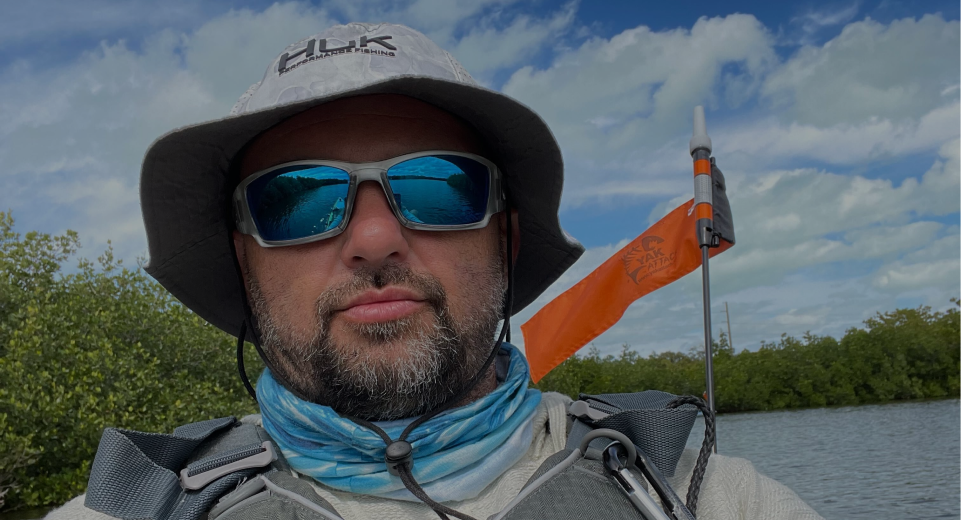
"Without them, I don't know if I would have much in the way of a life."
-Shaun R.
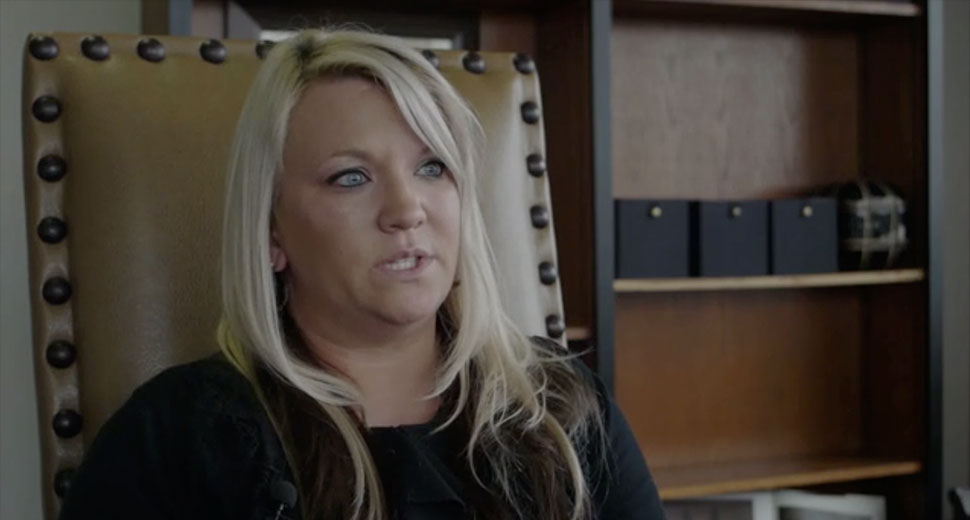
"Nothing is ever going to bring my dad back. But at least there is acknowledgement, and there were consequences, and it wasn't swept under the rug.”
-Mindy L.
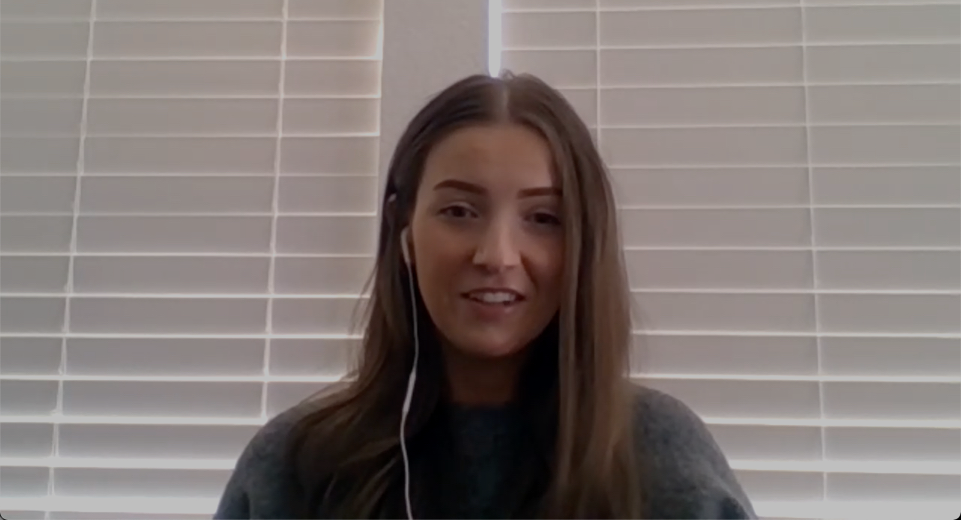
"They went above and beyond for us, so I can't imagine they wouldn't do the same for another client."
-Sarah C.

"I think they're the best dram shop firm in Texas and probably one of the best in America"
-Attorney Adam Loewy
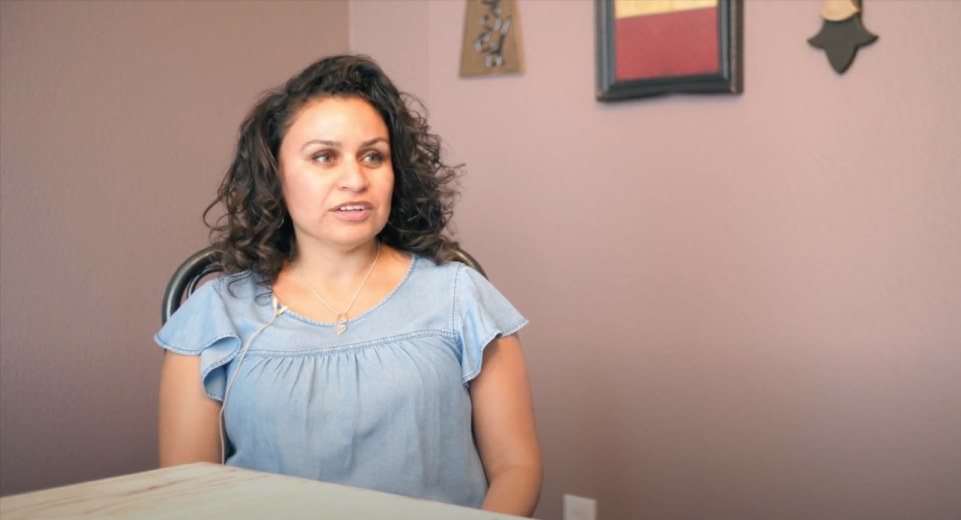
"What my kids have lost, the future I don't have anymore... that's irreplaceable. But if it can get a bar to really change their ways and care about what they're sending out there, then that's a victory. "
-M. Guzman

"I had heard "these are the negatives, this is where the case gonna fall apart, there's no way it can be overcome"...and this firm proved everybody wrong."
-Hon. Dan Robles

"In 2007 my daughter died by a drunk driver. It still hurts. Without the law firm I would have been lost. They have helped me, kept me going all these years."
-V. Jordan

"They've more than exceeded my expectations, so I have nothing but good things to say about the results."
-Attorney Mike Zhang

"You could tell they'd put their work in, he knew the area of the law and he understood the risk-reward of plaintiff litigation."
-Attorney Ken Bigham
A History of Excellence
Why Choose Grossman?
Impressive Case Results
Our commitment to excellence, fighting spirit, and unparalleled experience have enabled us to help many clients obtain the results necessary to put their lives back on track. We invite you to see for yourself
Awards & Accolades
Our attorneys have been recognized time and time again for their achievements by many well-known organizations, such as Texas Lawyer Magazine, Thomson Reuters' Super Lawyers, etc. See what they have to say about us.
Newsworthy Cases
Many of our clients' injuries and the resulting legal action have received widespread attention from the local and national news media. Browse this section to learn about our extensive case history
Thousands of Happy Clients
Nothing is more rewarding than knowing that we've helped a client with their legal challenge and that they're happy with the outcome. But don't take our word for it.

We work For you
Cases We Take On
Don’t see your case type? Click here to see all of the types of personal injury cases that we can help you with.
Attorneys
Decades of combined legal experience and thousands of cases won.

Michael GrossmanOwner

Keith PurdueLitigation Associate

Cory CarlsonLitigation Associate

Gene MattisonLitigation Associate
Get Answers
Browse Over 600 Free Articles
- Accident Reports
- Wrongful Death
- Non-Subscriber
- Dram Shop
- Truck Accidents
- Car Accidents
- Personal Injury
- Motorcycle
- Workers’ Comp
- Train Accidents
- Premises Liability
- Product Liability
- Bus Accidents
- Auto Defects
- Hiring a Lawyer
- Valuing Cases
Does a Victim’s Brain Injury Change How a Truck Accident Case is Litigated?
Do You Need a Truck Driver’s Driving Records for Your Truck Accident Case?
Who Is to Blame for an 18-Wheeler Tire Blowout Accident?
What Should I Do after a Serious 18-Wheeler Accident?
How Long Does a Texas Truck Accident Victim Have to File a Lawsuit?
What is the Typical Auto Accident Injury Settlement in Texas?
 February, 2024
Myth: The Rear Driver is Always at Fault in a Texas Rear-End Crash
 January, 2024
Scam Alert: Don’t Give Money to Naomi Llanes
 January, 2024